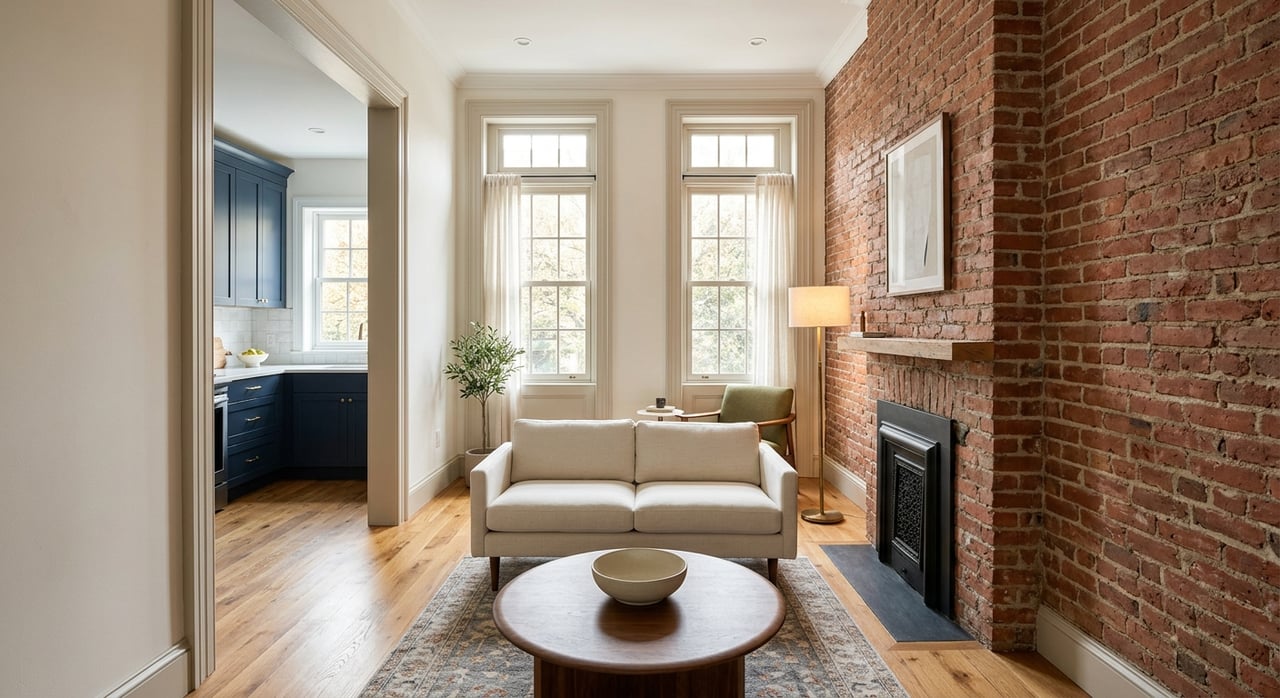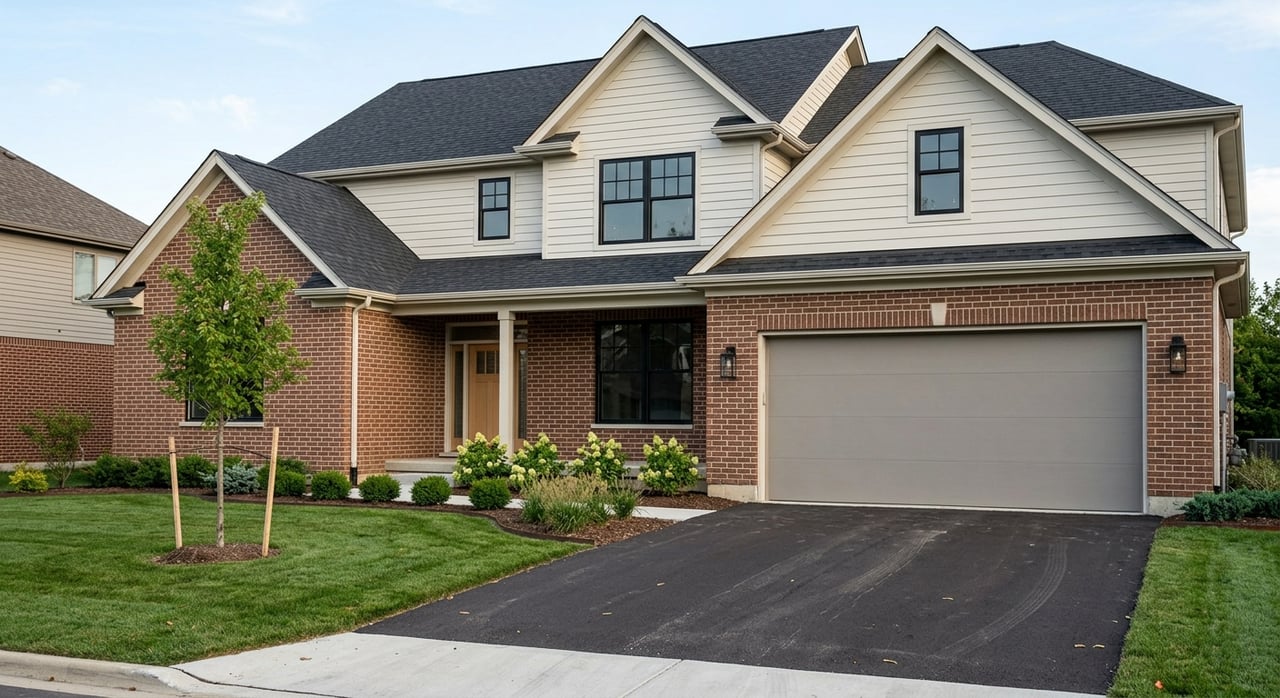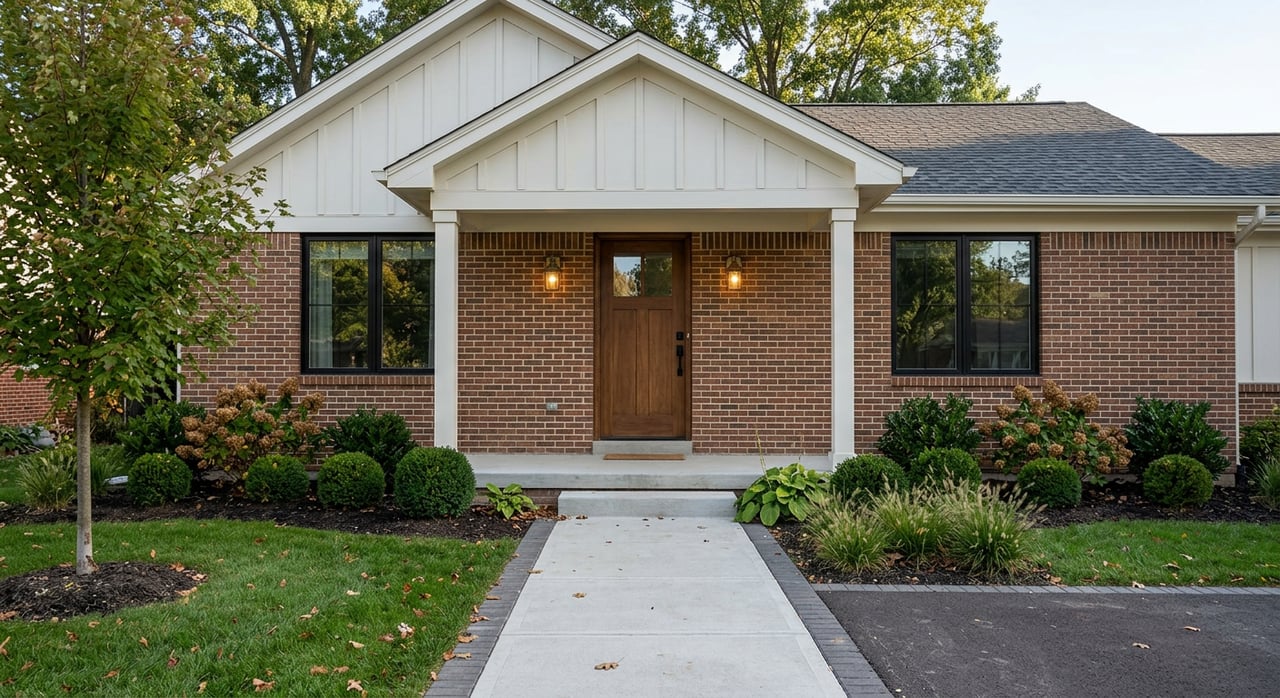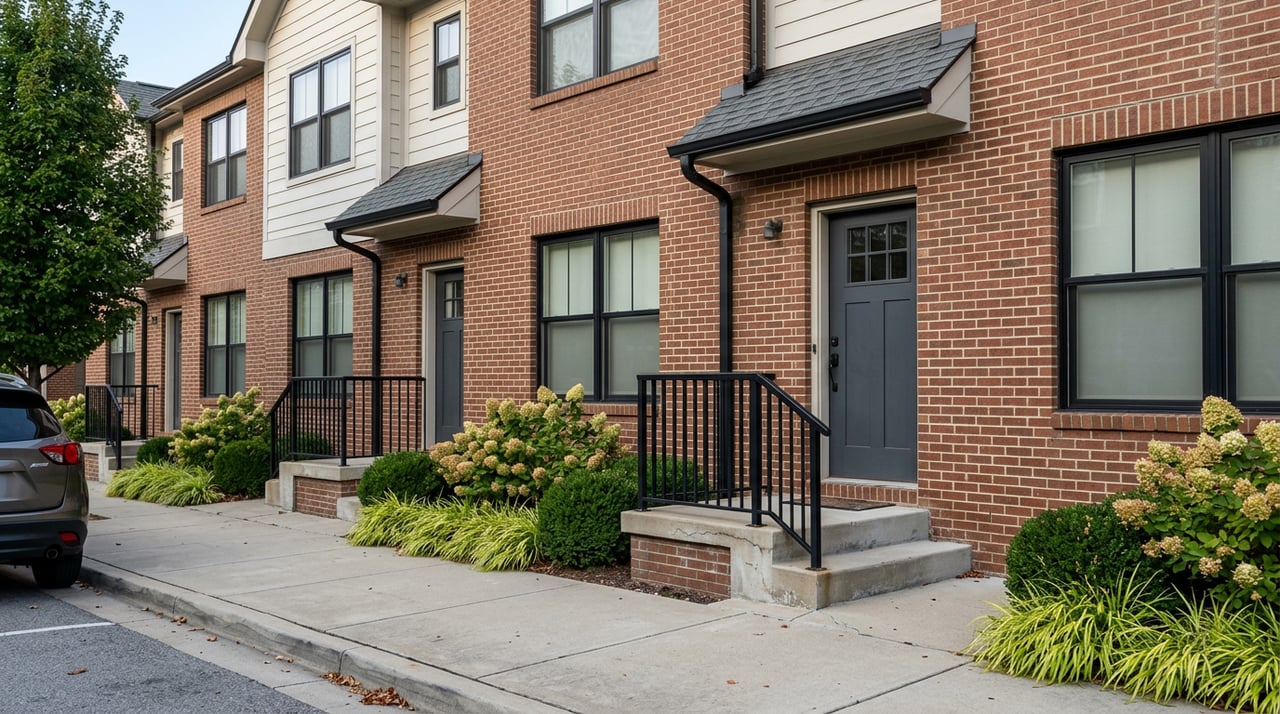
Trying to choose between a condo at Grandview Yard and a single-family home on a tree-lined street in Grandview Heights? You are not alone. The right fit comes down to how you want to live day to day, and what you want your total monthly costs to look like. In this guide, you will compare real numbers, see how HOA dues and maintenance change affordability, and understand the lifestyle trade-offs unique to Grandview Heights. Let’s dive in.
Grandview Heights market at a glance
Grandview Heights is a small, in-demand city, so monthly stats can swing. MLS-based reporting shows a median sold price near $580,000 for 2025. A recent public snapshot reported a median sale price near $559,000 in February 2026, while an index-based typical value was about $538,335 as of late February 2026. Different sources and methodologies explain the gap, but the takeaway is steady pricing at the mid to upper $500s.
Condos are a major part of the local market. Roughly 37.8% of 2025 sales were condos or co-ops. That makes condo ownership a normal path in Grandview Heights, especially around Grandview Yard and nearby buildings.
What you get for your budget
Condos: price and HOA ranges
Recent Grandview Yard 2-bedroom condos have closed around the $500,000 to $550,000 range, with HOA dues commonly in the mid-hundreds per month. Older high-rise options can list lower, sometimes in the mid-$200,000s, but may carry much higher dues. For example, one building showed dues around $1,680 per month that included many utilities and building services. Fees vary widely by building, and amenities drive costs. National reporting shows HOAs can range from low hundreds per month to over a thousand depending on services, which aligns with what you see locally. For context, review how amenities influence dues in broader HOA data from sources like This Old House’s HOA statistics overview.
Single-family: pricing and lot size
Single-family homes in Grandview Heights often trade from the mid-$500,000s to the low-$800,000s, depending on size, updates, and location within the city. Lots are typically compact compared with outer suburbs, often around 3,400 to 4,400 square feet, which translates to modest front and back yards. You gain full control over exterior updates and do not pay monthly HOA dues, but you take on all maintenance.
Monthly cost snapshot
Use simple scenarios to compare apples to apples:
- Example A, condo: Purchase around $525,000 with $650 per month HOA dues. You will budget for insurance on the interior (HO-6) and personal property, but the building’s master policy covers the exterior and common areas.
- Example B, single-family: Purchase around $650,000 with no HOA dues. Plan for maintenance using a common rule of thumb of about 1% of home value per year, or roughly $6,500 annually (about $540 per month). See guidance on budgeting from Select Home Warranty’s maintenance rule of thumb.
These examples do not include your mortgage, property taxes, or utilities, which vary by home. The key is that HOA dues count toward your housing expense and debt-to-income ratio, which can affect loan size. Learn more about how lenders factor HOA dues in DTI from AmeriSave’s overview.
HOA fees and the fine print
What dues typically cover
HOA and condo dues usually cover some combination of exterior maintenance, landscaping, snow removal, common-area utilities, trash, amenities, and master insurance. In some buildings, dues also include many in-unit utilities. The more services and amenities, the higher the monthly dues tend to be. Broader national reporting confirms that there is no single “average” HOA fee, but the low hundreds per month is common while full-service buildings can be much higher. For a broader view, see This Old House’s HOA statistics overview.
Due diligence before you buy
Ask for the full HOA resale package and read it closely. Focus on:
- Budget, reserve study, and audited financials to gauge long-term repair planning and cash reserves.
- Board meeting minutes for the last 12 months to spot upcoming projects or disputes.
- Master insurance policy details, including whether it is “bare-walls” or “all-in,” and the master deductible.
- Delinquency rates, any pending litigation, and any planned or recent special assessments.
- Parking assignments, storage, and whether utilities are included in dues.
Why this affects affordability
HOA dues are an ongoing monthly cost and are included in lender DTI calculations. A lower purchase price with very high dues can be less affordable than a higher-priced single-family home with no dues. For a quick refresher on how lenders calculate housing expense and DTI, see AmeriSave’s DTI guidance.
Maintenance and insurance differences
Who handles what
- Condos: You typically handle the interior from the walls in. The association addresses the structure, roof, common areas, and exterior maintenance according to the governing documents. Review the master policy to understand where your unit owner policy begins. For an overview of condo versus building master coverage and loss assessments, see Reviews.com’s guide to condo and high-rise coverage.
- Single-family: You handle everything on the property, including the roof, exterior, driveway, and yard. That brings more control and also more variability in annual expenses. National research highlights how repair costs can strain budgets, especially in older homes. See context in this Harvard JCHS discussion of home repairs.
Budgeting smart
A practical planning rule is to save about 1% of the home’s value per year for maintenance. That is a guide, not a guarantee, and older properties or large yards can require more. For condos, you trade some direct maintenance time for dues, but you still need an emergency fund for special assessments. Review the master policy deductible and consider loss-assessment coverage on your HO-6 policy. For coverage basics, revisit Reviews.com’s condo insurance guide.
Lifestyle trade-offs in Grandview Heights
Yard size and outdoor space
Grandview Heights is compact and walkable, so lot sizes are smaller than many outer suburbs. If you want a yard for gardening or a pets-friendly setup, a single-family home can deliver that, but expect modest square footage outdoors. Condos typically offer balconies or shared green spaces instead of private lawns.
Parking
Many condo buildings provide assigned parking in a garage or surface lot. Always confirm whether a space conveys with the unit and whether additional spaces can be leased. Most single-family homes include a driveway or garage, though older urban lots can have narrower drives and tighter street parking.
Walkability and nearby amenities
Walkability is a big draw across Grandview Heights. Grandview Yard is a purpose-built, mixed-use district with dining, retail, fitness, and gathering spaces. If being close to amenities matters to you, explore the area at Grandview Yard’s site.
Schools and resources
Grandview Heights City School District serves the area. Many buyers review independent resources when evaluating schools; you can explore the district page on GreatSchools. Use multiple sources and visit schools directly to form your own view.
Property taxes
Property taxes are based on Franklin County assessments, with assessed value calculated as a percentage of market value. For current information on tax billing and assessments, see the city’s Property Taxes page.
Financing and resale
Condo project approvals
If you plan to use FHA or VA financing for a condo, the building may need project approval. Check status early to avoid delays. You can review documentation requirements using HUD’s resources, including the FHA condominium project approval overview.
How HOA dues affect your loan
Lenders include HOA dues in your total housing cost and DTI. High dues can reduce the loan amount you qualify for, even if the purchase price looks attractive. For a refresher on how lenders view HOA dues, see AmeriSave’s DTI overview.
Resale drivers
Condos with well-funded reserves, clear capital plans, and transparent boards tend to resell more smoothly. For single-family homes, updates, lot characteristics, garage access, and the city’s walkability help drive demand. Your resale strategy will look different for a condo versus a single-family home, so factor that into renovations and timing.
Quick buyer checklist for showings
Use this as a fast filter while you tour:
- Compare recent sales for the immediate block or building over the last 3 to 6 months.
- Build a full monthly budget: mortgage, insurance, property taxes, utilities, HOA dues (if any), and a maintenance reserve using the 1% rule.
- Ask about parking, storage, and what utilities are included.
- Order a professional inspection. For condos, confirm whether any building-level issues surfaced recently.
- If buying a condo, request the full HOA package: bylaws, budget, reserve study, audited financials, 12 months of meeting minutes, master insurance summary, litigation disclosures, and rental policy.
- If using FHA or VA for a condo, verify building approval early using HUD’s condo project guidance.
- For single-family, confirm lot dimensions, setbacks, prior permits, and seasonal driveway/garage access needs.
Which option fits you?
- Choose a condo if you prioritize walkability, on-site amenities, and reduced exterior upkeep. Be explicit about HOA dues, what they include, parking terms, and any project approval needs.
- Choose a single-family home if you want a private yard and garage, full control over exterior choices, and more flexibility on renovations. Plan for hands-on or contracted maintenance and smaller lots than outer suburbs.
Next steps
If you want a side-by-side cost model for specific Grandview Heights properties, or you would like private tours of Grandview Yard condos and nearby single-family homes, let’s talk. You will get clear numbers, local context, and a plan that fits your goals. Connect with Seth Janitzki to get started.
FAQs
What is the current median home price in Grandview Heights?
- Recent reporting shows medians around the mid to upper $500,000s, with differences by source due to small monthly sales counts and varying methodologies.
How much are typical HOA fees for Grandview Heights condos?
- Dues vary widely by building, from the mid-hundreds per month in newer mixed-use buildings to well over $1,000 in some full-service high-rises that include many utilities.
Do lenders count HOA dues when I qualify for a mortgage?
- Yes. Lenders include monthly HOA dues in your housing expense and debt-to-income ratio, which can reduce your maximum loan amount.
How should I budget maintenance for a single-family home?
- A common planning rule is to save about 1% of the home’s value per year, adjusting up for older homes or larger yards.
What is different about condo insurance versus single-family?
- Condo owners carry an HO-6 policy for interiors, personal property, and liability, while the building’s master policy covers common elements; single-family owners typically carry HO-3 policies for the entire structure and contents.
Are Grandview Heights condos eligible for FHA or VA loans?
- Many are financeable, but some projects require FHA or VA approval. Check a building’s status early to avoid delays and to confirm eligibility.