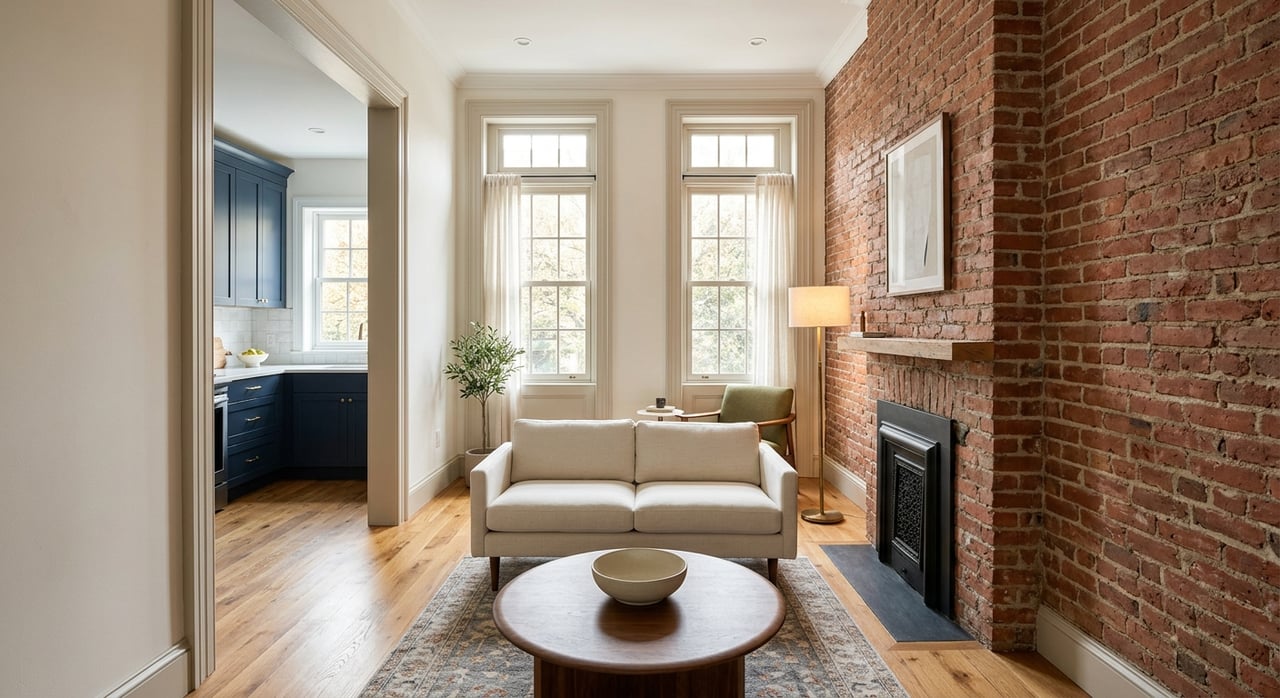
If you own a home in German Village, getting it ready to sell is not the same as preparing a newer property in another part of Columbus. Buyers are often drawn to the neighborhood for its brick streets, historic architecture, gardens, and original details, and the district’s preservation rules shape what you can change before listing. The good news is that a thoughtful, preservation-first plan can help you protect your home’s character while making it more marketable. Let’s dive in.
Why German Village preparation is different
German Village is one of Columbus’s most historic neighborhoods, known for its narrow brick streets, brick homes, mature landscaping, and distinctive urban form. The Advisory Council on Historic Preservation describes the area as home to roughly 3,000 residents and about 1,800 structures, with architecture and lot patterns that remain a major part of its appeal.
That setting matters when you prepare to sell. In a neighborhood where the streetscape, setbacks, porches, and materials contribute to value, buyers often notice whether a home feels authentic and well cared for. As of early 2026, sources cited in the same neighborhood overview noted that German Village was considered somewhat competitive and a seller’s market, which means presentation still matters if you want to stand out.
Start with preservation rules
Before you schedule exterior work, check whether your project needs approval. The City of Columbus German Village Commission oversees exterior alterations in the district and issues Certificates of Appropriateness for qualifying projects.
According to the German Village Society’s restoration and preservation guidance, exterior color changes, alterations, additions, reconstruction, and demolition can require a COA. Routine maintenance, such as touching up paint, reglazing a broken window, or repairing a fence, generally does not. If approval is required, your application may need current photos and supporting materials like site plans, cut sheets, elevations, floor plans, or streetscape photos.
Projects to verify before listing
If you are thinking about any last-minute improvements, double-check these first:
- Exterior paint color changes
- Window replacement
- Porch changes or enclosures
- Additions or rebuilding work
- Garage or outbuilding work
- Demolition of exterior features
This step can save you time, money, and stress. It can also help you avoid making a change that weakens your home’s historic appeal right before it goes on the market.
Focus on repairs buyers notice
In a historic home, the best pre-listing updates are often repairs, not reinventions. Buyers in German Village tend to appreciate craftsmanship and original materials, so the goal is usually to improve condition while keeping character intact.
Repair historic windows first
Original windows are a major feature in many German Village homes. The National Park Service recommends repair as the first option to consider, rather than replacement, and notes that weatherstripping, glazing repair, and storm windows can improve performance while preserving historic material.
If your windows stick, draft, or have failing glazing, those issues are worth addressing before listing. A repaired original window often supports the story buyers want to hear about a historic property: that it has been maintained with care, not stripped of its identity.
Address masonry carefully
Brick and mortar are part of the neighborhood’s visual language, so masonry condition matters. The National Park Service masonry guidance recommends repointing with mortar that matches the historic material in strength, composition, color, texture, width, and joint profile.
That same guidance warns against waterproof coatings on above-ground masonry because they can trap moisture and speed up deterioration. If your brickwork needs attention, a careful repair approach is usually better than a cosmetic shortcut.
Get ahead of moisture issues
Moisture is one of the most common concerns in older homes, and it can show up quickly during inspections. The National Park Service notes that moisture can enter through missing mortar, cracks around windows and doors, clogged gutters, and roof or flashing problems.
Before you list, it is smart to:
- Clean and secure gutters and downspouts
- Repair flashing where needed
- Keep the roof weather-tight
- Trim foliage away from the house
- Check window and door surrounds for gaps or cracks
These are practical fixes that can improve buyer confidence and reduce red flags during due diligence.
Be careful with porch and exterior changes
Some of the features that make German Village memorable are also the ones you should handle most carefully. According to the district design guidelines, front porches are significant historic features and are generally expected to be preserved. New entry vestibules and porch enclosures are discouraged unless they are very limited and reversible.
The same guidelines favor traditional materials like stone, brick, wood, and metal, along with design choices that respect roof shapes, proportions, and the surrounding streetscape. If you are considering exterior improvements before selling, compatibility matters more than trying to make the home look brand new.
What about garages and outbuildings?
Garage and outbuilding plans also need careful review. The district guidelines generally prefer small, subordinate structures at the rear of the lot, detached from the house and connected by alleys when possible.
That is important in German Village because rear access, narrow lots, and the relationship between house and street are part of the neighborhood’s physical character. If you already have a rear garage or carriage-style outbuilding, make sure it is presented as a useful and well-integrated feature in your listing.
Plan for lead-based paint disclosures
If your home was built before 1978, lead-based paint rules should be part of your pre-listing checklist. The EPA explains that the older the home, the more likely it is to contain lead-based paint, and that 87% of homes built before 1940 have some lead-based paint.
For most pre-1978 homes, federal law requires sellers to disclose known lead-based paint information and provide the EPA pamphlet, as outlined in the EPA’s real estate disclosure guidance. If you hire contractors to renovate or partially demolish parts of the property before listing, the EPA also says they must be lead-safe certified and use lead-safe practices.
This does not mean your sale is at risk. It simply means you should be organized, transparent, and prepared with the required information.
Stage for character, not overcorrection
Historic homes usually perform best when staging highlights what makes them unique. In German Village, that often means letting architectural details, brick walks, gardens, and the connection to the street do more of the talking.
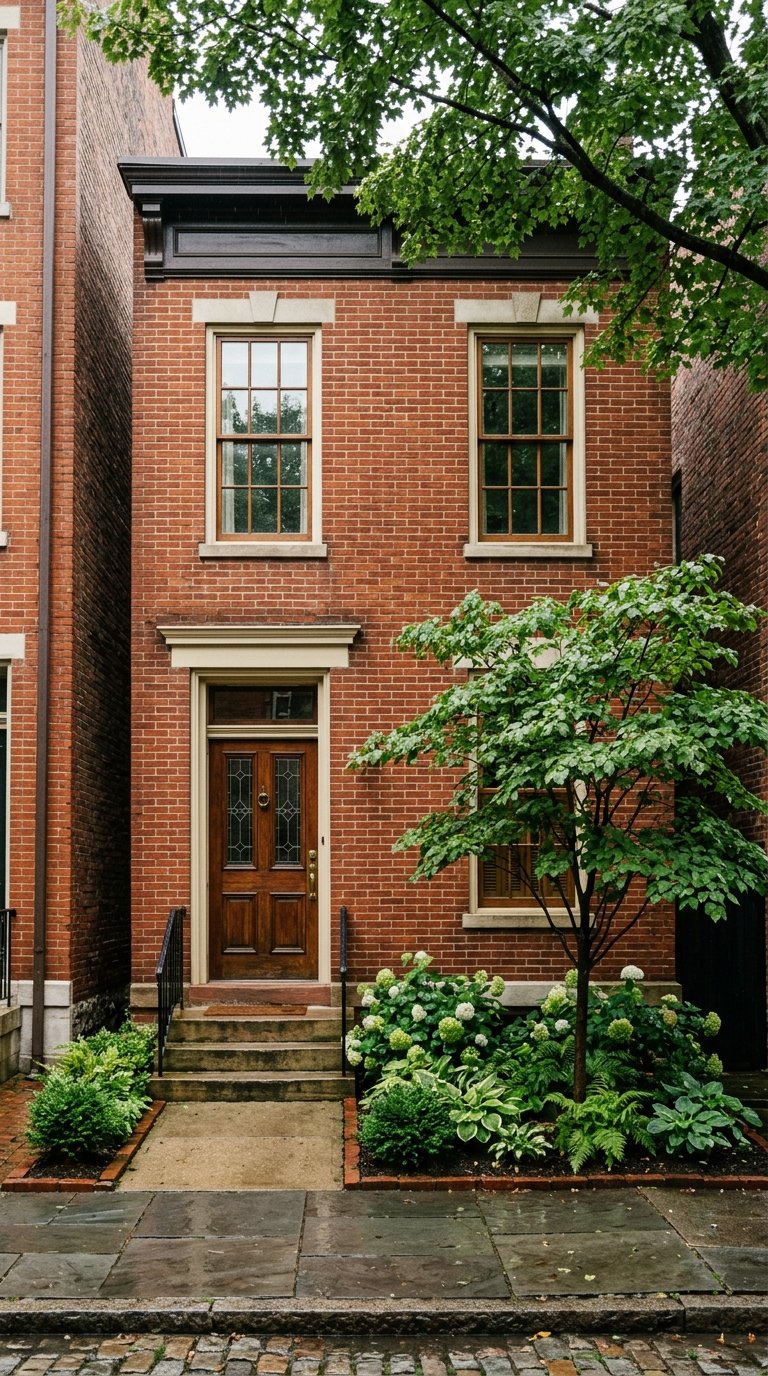
The German Village Society notes that the neighborhood’s defining details can include double-hung windows, stone lintels and sills, four-panel doors, wrought iron fences, cut-stone steps, and brick walks. Instead of downplaying those features, your listing should treat them as assets.
What to highlight in photos
Because German Village has narrow streets, minimal setbacks, rear parking patterns, and mature vegetation, context matters in listing photography. Based on the city’s planning guidance and the district’s urban form, strong visuals often include more than just the interior.
Consider prioritizing photos of:
- The front facade from the street
- Front porch details
- Brick walkways and garden areas
- Original exterior materials and trim
- Rear yard spaces
- Alley-accessed garages or parking areas
This kind of presentation helps buyers understand not just the house, but the experience of living there.
Use the right marketing language
When it is time to describe the home, your wording should reflect the neighborhood and the property’s history. Marketing copy in German Village often works better when it emphasizes craftsmanship, compatibility, and authenticity.
If updates have been made, frame them as improvements that respect the home’s historic character. That approach aligns with the repair-first guidance from the National Park Service and tends to feel more credible to buyers looking in a preservation-minded neighborhood.
House files can strengthen your story
The German Village Society notes that it keeps house files, and many include old photographs that can help document original conditions. Those materials can be useful if you are preparing for preservation review, but they can also support your listing narrative.
A historic photo, documented restoration detail, or record of thoughtful repairs can help buyers see the home as more than just another listing. It becomes a property with continuity, care, and a story that fits the neighborhood.
A practical pre-listing checklist
If you want a clear place to start, focus on this sequence:
- Confirm whether any planned exterior work needs a COA.
- Repair, rather than replace, original features when practical.
- Address moisture issues, roof details, gutters, and flashing.
- Review masonry and mortar condition carefully.
- Organize lead-based paint disclosures for pre-1978 homes.
- Stage and photograph the home to show both detail and setting.
- Build listing language around historic character and compatible updates.
Selling a historic home in German Village is part preparation, part strategy, and part storytelling. When you respect the property’s original character and present it clearly to the market, you give buyers a stronger reason to connect with it.
If you are thinking about selling and want neighborhood-specific guidance on pricing, preparation, and presentation, Seth Janitzki can help you build a smart plan for your German Village home.
FAQs
Do German Village sellers need approval for exterior paint changes?
- Yes, changing an exterior color can require a Certificate of Appropriateness, while routine touch-up paint generally does not, according to the German Village Society.
Should German Village homeowners replace old windows before selling?
- Usually, repair should be considered first, since the National Park Service recommends preserving historic windows when practical and improving performance through measures like weatherstripping or glazing repair.
Are front porch enclosures a good pre-sale update in German Village?
- Usually no, because the district guidelines identify front porches as significant historic features and discourage new porch enclosures unless they are carefully limited and reversible.
What repairs matter most before selling a historic German Village home?
- Moisture management, roof and flashing repairs, gutter and downspout maintenance, window repairs, and careful masonry work are often among the most useful pre-listing priorities.
Do sellers of older German Village homes need to disclose lead-based paint?
- Yes, for most pre-1978 homes, sellers must disclose known lead-based paint information and provide the required EPA pamphlet.