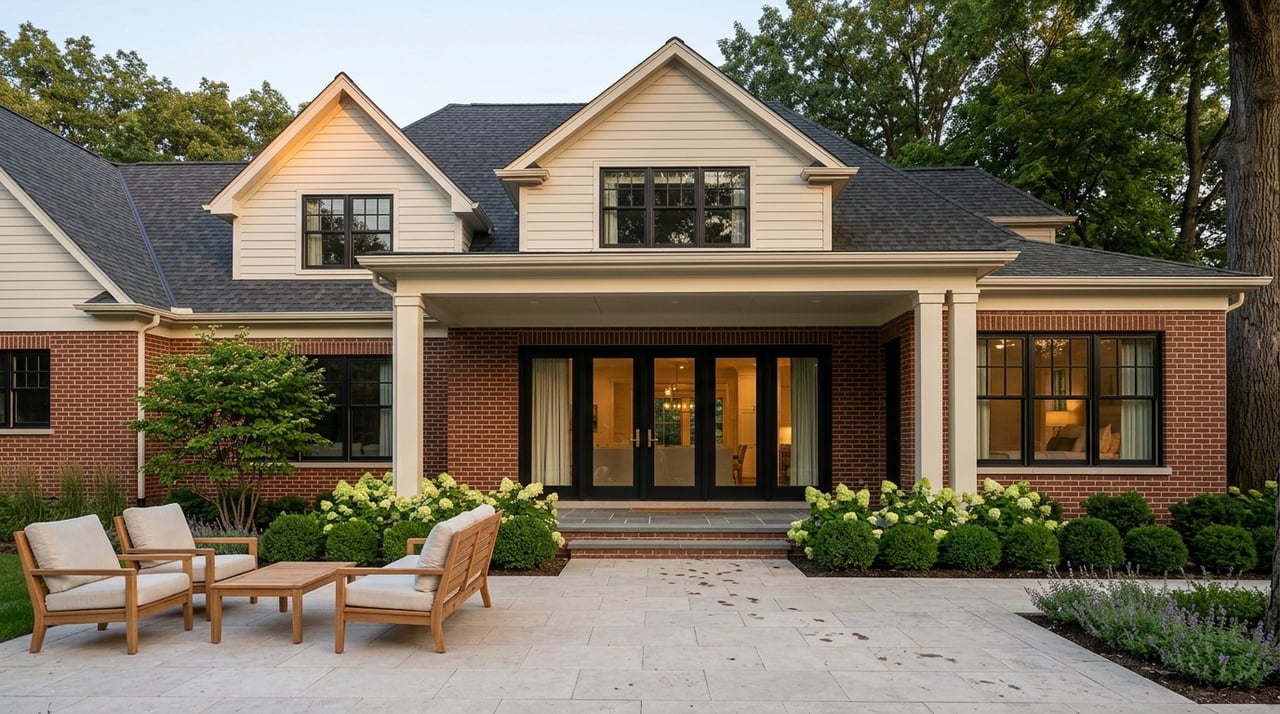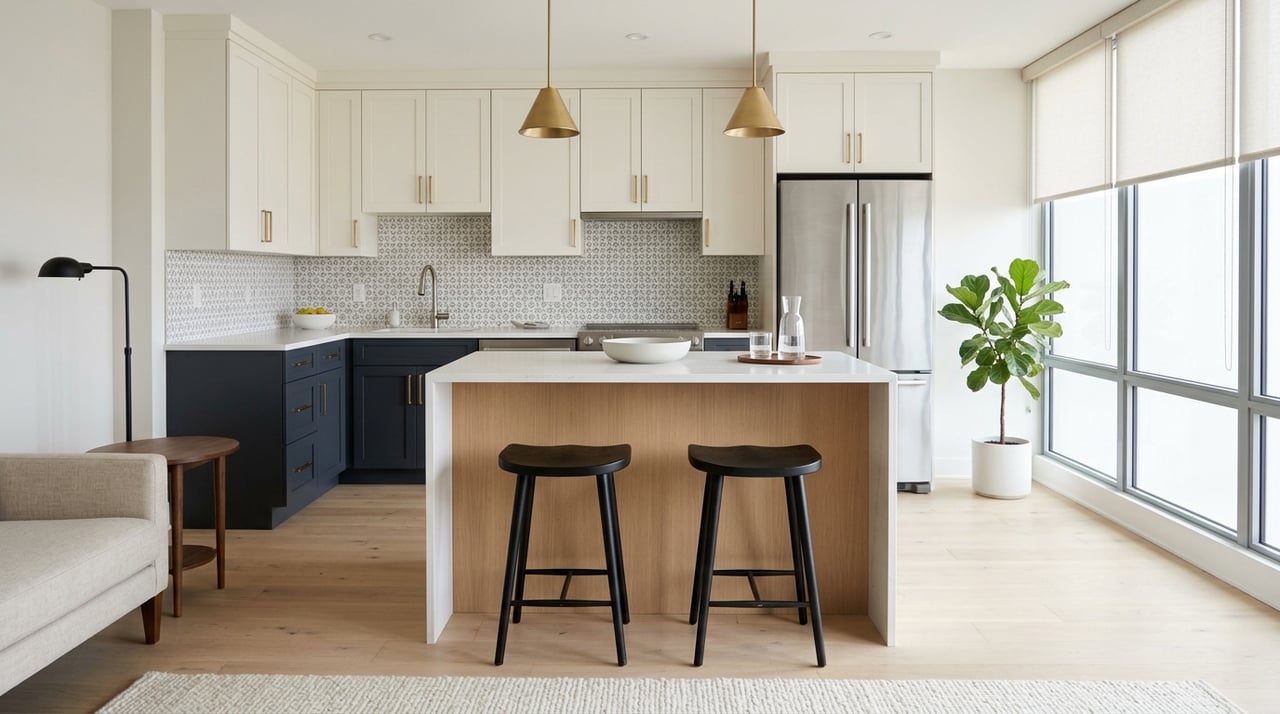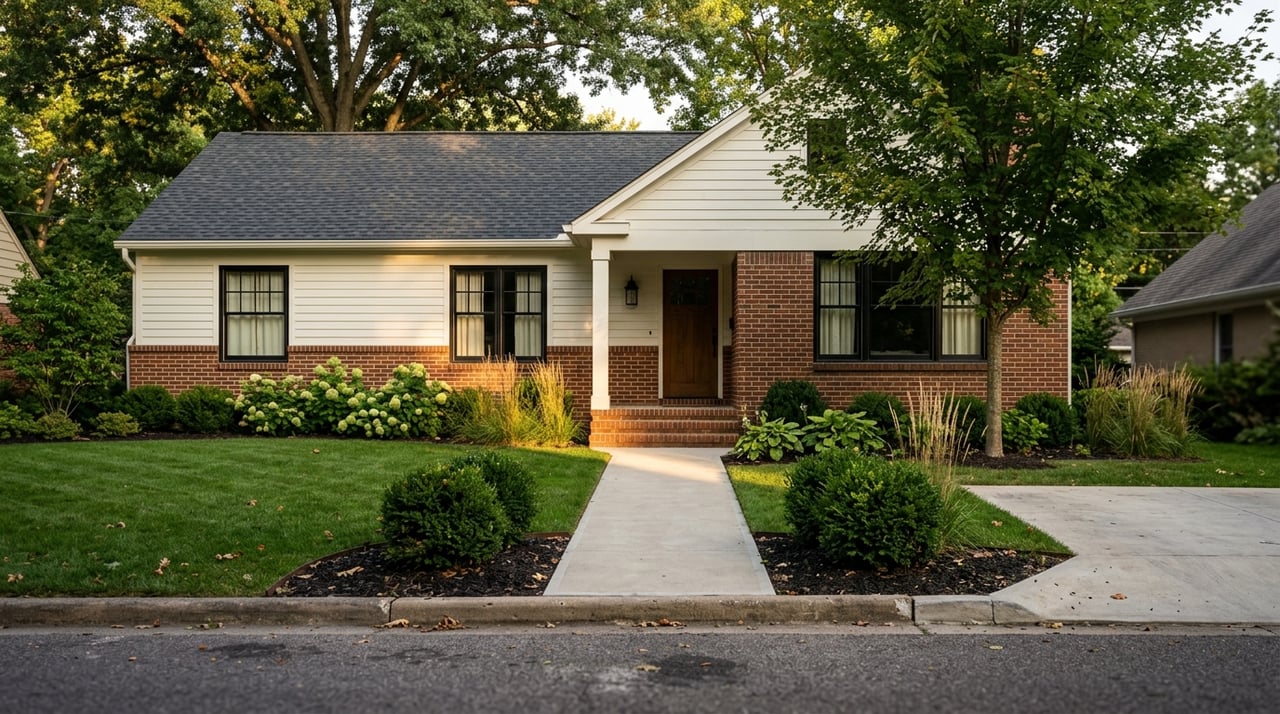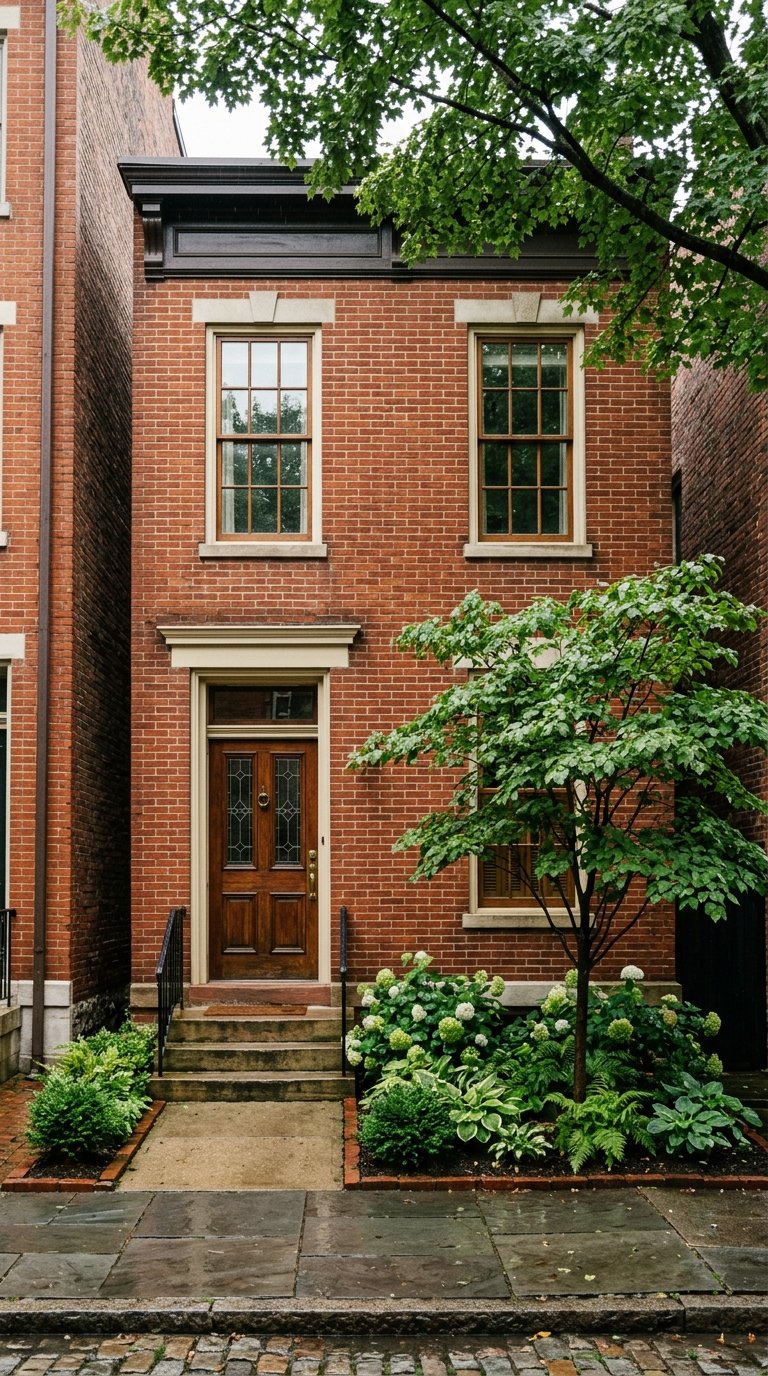
If you are thinking about buying a new-build home in Powell, it is easy to assume every option works the same way. In reality, Powell-area new construction can vary a lot by location, builder type, lot size, HOA setup, and what is actually included in the price. If you want to make a smart decision without surprises, this guide will help you compare your options clearly and ask better questions before you sign anything. Let’s dive in.
Powell new builds vary more than you may expect
One of the biggest things to know up front is that a Powell address does not always mean the home is inside the City of Powell. The 43065 mailing area can also include Shawnee Hills and parts of Concord, Liberty, Orange, and Columbus, so it is worth verifying the exact jurisdiction with the City of Powell address check tool.
That detail matters because jurisdiction can affect taxes, services, and how a property is governed. It can also affect school assignment and neighborhood rules, which is why you want to look beyond the mailing address before you move forward.
Current new-construction options in the Powell area also cover a wide price range. Examples in the current market include Clarkshaw Crossing starting around $318,900, Woodcrest Crossing around $443,900, Clark Shaw Reserve around $484,990, Encore Park of Powell around $609,000 to $778,000 and up, and a custom new build on Liberty Rd N listed around $1.3 million.
Production vs custom homes
A big part of your search will be deciding whether a production home or a custom home fits you better. According to the National Association of Home Builders, production builders usually work from a set group of floor plans and offer standard features plus optional upgrades, while custom builders often start with a more flexible design process and may build on land you already own or select.
In the Powell area, the production side includes names such as M/I Homes, Pulte, Fischer Homes, and Epcon. On the custom side, Bob Webb is a clear local example. That difference often shows up in how much flexibility you have, how quickly the process moves, and how the community is set up.
What production homes usually offer
Production communities often appeal to buyers who want a more streamlined process. You may be able to choose from several floor plans, visit a model home, compare quick move-in options, and select finishes from a menu of standard and upgraded packages.
Communities such as Clarkshaw Crossing and Woodcrest Crossing reflect this format. They typically feature defined plan sets, neighborhood amenities, and a more structured buying path from contract to closing.
What custom homes usually offer
Custom homes usually give you more room to shape the home around your preferences. That can include lot selection, layout decisions, material choices, and a more open-ended design process.
In Powell-area custom communities, that flexibility often comes with larger lots and a different setting than a typical planned subdivision. If privacy, land, or a more tailored home is high on your list, custom may be worth exploring.
Lot size can change your lifestyle
Lot size is one of the clearest differences between Powell-area new-build options. In planned production communities, smaller homesites are common. For example, current listings show Clarkshaw Crossing with a 0.14-acre lot and Clark Shaw Reserve with a 0.21-acre lot.
That setup may work well if you want lower exterior upkeep and neighborhood amenities nearby. It may be less appealing if you want more yard space, distance from neighbors, or room for future outdoor features.
By contrast, some custom and estate-style options offer much more land. The Reserve at Scioto Bluffs reports lots that mostly measure 80 by 196 feet and range from 0.36 to 0.86 acres, while Liberty Trails offers 1.4-to-2-acre estate lots. A current Liberty Rd N custom build sits on a 1.2-acre lot with no HOA.
Questions to ask about the lot
Before you commit to a new-build home in Powell, ask:
- Is the lot inside the City of Powell or in another jurisdiction?
- How large is the lot in acres or dimensions?
- Are there easements, tree lines, or drainage areas that affect usable space?
- Does the lot back to another home, open space, or a roadway?
- Are fences, sheds, patios, or pools limited by HOA rules?
HOA rules and amenities matter
Many Powell-area new-build neighborhoods have HOAs, but the fees, amenities, and restrictions can vary quite a bit. Current examples include a $42 monthly HOA in Clarkshaw Crossing and a $500 annual HOA in Clark Shaw Reserve.
Those fees may support amenities that shape your day-to-day experience. In Clarkshaw Crossing, HOA amenities include bike and walk paths, a park, and sidewalks. Woodcrest Crossing highlights a pool, pavilion, playgrounds, and walking trails.
It is also important to understand that HOA rules are not the same as city rules. The City of Powell Development Department notes that HOA covenants and restrictions are private agreements and are not enforced by the city.
What to review before signing
Ask for the HOA documents early so you can review:
- Monthly or annual dues
- Community amenities
- Exterior maintenance responsibilities
- Rules on landscaping or additions
- Parking or rental restrictions
- Approval process for exterior changes
Base price is not final price
One of the most common surprises in new construction is the gap between the advertised base price and the final contract price. NAHB explains that production builders usually separate standard features from optional upgrades, and buyers often choose among appliance, flooring, countertop, cabinetry, and fixture packages.
That is exactly what Powell buyers should expect in many community developments. The home you tour or see in marketing materials may include lot premiums, design selections, structural options, and finish upgrades that are not part of the starting price.
Pulte’s Newberry at Clark Shaw Reserve lists a smart-home package, landscape package with a fully sodded homesite, and full kitchen package as part of the plan, while also showing optional spaces such as a sun room. A current Clarkshaw Crossing listing also calls out a morning room upgrade, which is a helpful reminder that model-home features are often examples, not guarantees.
Common upgrade categories
As you compare builders, ask what is standard and what costs extra in areas such as:
- Lot premiums n- Structural options like sun rooms or morning rooms
- Appliance packages
- Countertops and cabinetry
- Flooring and tile
- Lighting and plumbing fixtures
- Landscaping and sodding
- Smart-home features
Model homes are designed to inspire
Model homes are useful, but they can also create confusion if you treat them like a literal version of the base house. In Powell communities, model homes often show the fullest expression of a floor plan, with upgraded finishes, added rooms, and premium design selections.
For example, Fischer Homes’ Encore Park of Powell highlights optional rooftop features in its Uptown Collection. M/I Homes’ Woodcrest Crossing directs buyers to a design studio where finishes and fixtures are selected with guidance from designers.
That does not make model homes misleading, but it does mean you should ask for a written breakdown of what the displayed home includes. The more specific you are, the easier it is to compare one builder and community against another.
Why buyer representation still matters
When you walk into a builder model home, the sales process may feel simple and well organized. That can be helpful, but it is still smart to understand who represents whom and what choices you have before signing a contract.
The Consumer Financial Protection Bureau explains that buyers should understand who their agent represents, how compensation works, and how conversations are handled. It also notes that builders may ask for earnest money up front, buyers do not have to use the builder’s affiliated lender, and some closing services such as title insurance can be shopped independently.
When to bring in your agent
The best time to have independent buyer representation is before you sign anything and before you put down earnest money. That way, you can compare base pricing, lot premiums, option menus, HOA documents, site plans, and closing costs with a clear strategy.
If you are relocating or comparing Powell with other north-arc suburbs, that outside perspective can be especially helpful. A patient, data-informed review can keep a polished model-home experience from turning into a rushed decision.
A smart Powell new-build checklist
If you want a cleaner buying process, keep this checklist handy as you tour communities and compare homes:
- Confirm whether the property is actually in the City of Powell or just has a Powell mailing address
- Verify the school district and township or municipal jurisdiction
- Ask for HOA fees and full covenants, conditions, and restrictions
- Separate base price from lot premium and upgrade pricing
- Confirm what is included in landscaping, appliances, smart-home items, and sodding
- Review the builder’s deposit structure and earnest money terms
- Compare lender and title options before assuming the builder package is your only path
- Ask for a written list of the model home’s nonstandard features
New construction in Powell can be an excellent fit, but the best choice depends on how you want to live, not just which model home looks best on a Saturday afternoon. If you want help comparing communities, reviewing builder terms, or narrowing down the right Powell-area fit, Seth Janitzki can guide you with clear local insight and a steady, no-pressure approach.
FAQs
What should you verify about a Powell new-build address?
- You should confirm whether the home is actually inside the City of Powell or only uses a Powell mailing address, because jurisdiction can affect taxes, services, and other property details.
What is the difference between a production home and a custom home in Powell?
- A production home usually comes from a set menu of floor plans and upgrades in a planned community, while a custom home generally offers more design flexibility and may sit on a larger or more private lot.
What HOA details should you ask for in a Powell new-build community?
- You should ask for the HOA fee, amenities, maintenance responsibilities, and the full covenants and restrictions so you know how the community operates.
Why is the base price of a new-build home in Powell not the final price?
- The base price often excludes lot premiums, structural options, and finish upgrades, so the final cost can rise once you choose your homesite and selections.
Should you use your own agent when buying a new-build home in Powell?
- Having your own buyer representation before signing can help you review pricing, documents, deposits, and lender or title options with more clarity.