If you have ever wondered why two similar homes in Upper Arlington can sell at different prices, the answer is often the street itself. In a market this mature and competitive, buyers do not just compare square footage or finishes. They also react to traffic, block consistency, tree canopy, park access, and even where a home sits within an attendance area. Let’s dive in.
Why street context matters in Upper Arlington
Upper Arlington is a block-sensitive market, which means small location differences can shape value in a big way. The city has about 11,000 single-family homes, and only about 20 to 30 new houses are built each year. That limited pace of change helps preserve distinct street patterns and makes block-by-block analysis especially important.
That matters even more in a competitive market. Redfin’s March 2026 snapshot put the median sale price at $610,000, with homes going pending in about 28 days and selling about 2% above list on average. When demand is strong, buyers tend to pay close attention to micro-location, not just the house itself.
Not all Upper Arlington streets compete equally
One of the biggest pricing mistakes in Upper Arlington is treating all nearby homes as direct comps. The city’s own compatibility policy starts with the block between two intersections as the primary comparison set. If a street has fewer than five properties, the review widens to adjacent street segments.
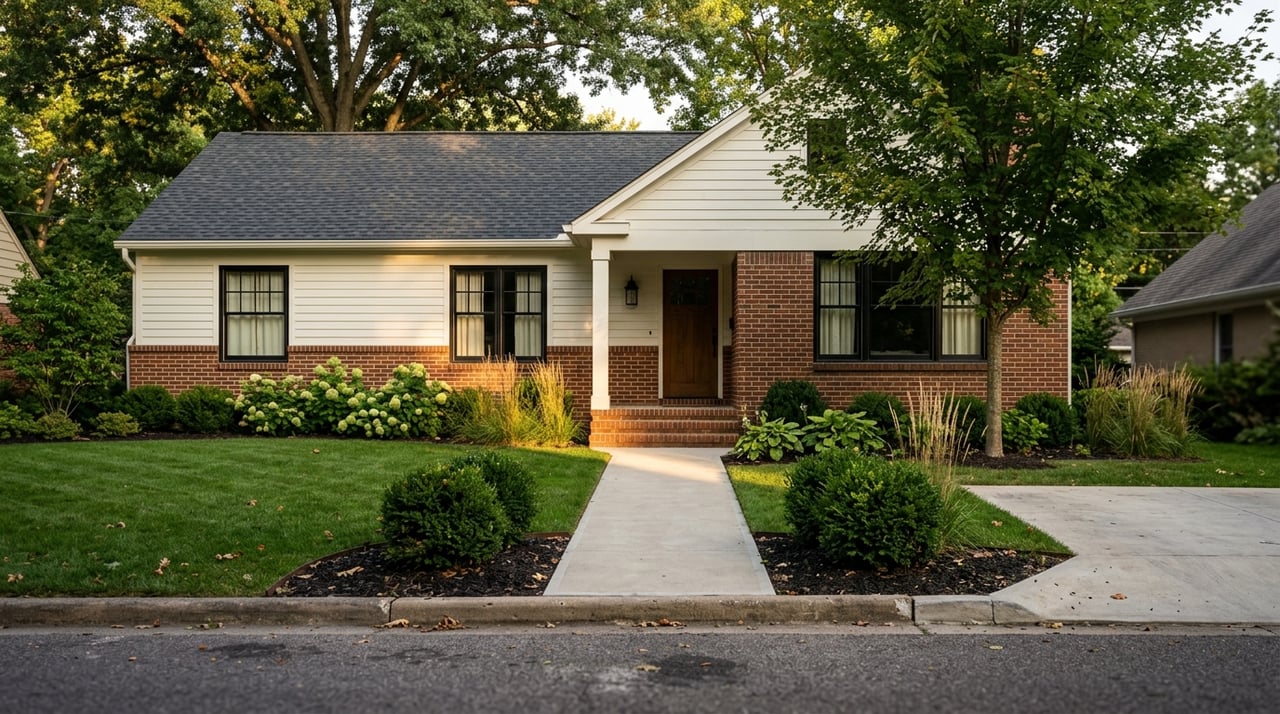
That tells you something important about how Upper Arlington works. A home on one block may compete most directly with homes on that same segment, even if another house just a few streets away looks similar on paper. Street rhythm, setbacks, garage orientation, materials, and building height all help shape how value is perceived.
For buyers, that means a premium on one street may be justified. For sellers, it means pricing should reflect the exact block experience your home offers, not just a broad neighborhood average.
School boundaries can affect pricing
In Upper Arlington, city limits and school district lines do not match perfectly. The city says its boundary covers most, but not all, of the school district, and the July 2024 attendance map notes that boundaries are approximate. That means address-level verification matters.
This is one reason two homes that seem close together can attract different buyer interest. Buyers often want clarity around attendance areas, and uncertainty can influence how they evaluate a property. Research cited in the report also notes that school quality and assignment uncertainty can be reflected in home prices, especially in higher-income areas.
Why address-level checks matter
Upper Arlington’s attendance map includes details that buyers should not assume. Wickliffe Progressive has no attendance boundary and serves students from Greensview, Tremont, and Windermere attendance areas. The map also shows Greensview and Windermere feeding Hastings, while Barrington and Tremont feed Jones.
For a buyer, that means you should verify the exact address rather than rely on a neighborhood label. For a seller, it means your pricing and marketing strategy should reflect confirmed attendance information when it is relevant to buyer decision-making.
Traffic exposure changes buyer perception
Traffic is one of the clearest examples of how a street can affect home value. West Henderson Road is one of Upper Arlington’s busiest corridors, with average daily traffic ranging from 17,980 to 28,745 cars. Near US 33 and Riverside Drive, that count reaches 37,958.
Homes near major corridors often appeal to a different buyer pool than homes on quiet interior blocks. Traffic volume, noise, and easier exposure to busy intersections can all influence perceived livability, resale expectations, and pricing.
Quiet interior blocks vs. busy corridors
A home on a calm residential street often competes differently than a similar home facing a heavily traveled road. Even when the floor plan, lot size, and updates are close, buyers may pay more for a quieter setting and a more consistent street feel.
The reverse can also create opportunity. Buyers who are flexible on traffic exposure may find more house or a better location fit at a different price point. Sellers on busier streets often benefit from pricing that reflects that context clearly from day one.
Five Points and changing street patterns
At Five Points, the city is studying Fishinger Road, Tremont Road, and Northwest Boulevard with traffic counts, future flow projections, pedestrian and bicycle access, and reconstruction concepts. That does not mean immediate value shifts for every nearby property. It does mean street function and buyer perception can evolve over time.
When you are buying or selling near a changing corridor, it helps to look beyond the house and consider the broader street pattern. Access, traffic flow, and the feel of nearby intersections can all shape demand.
Trees, parks, and streetscape add value
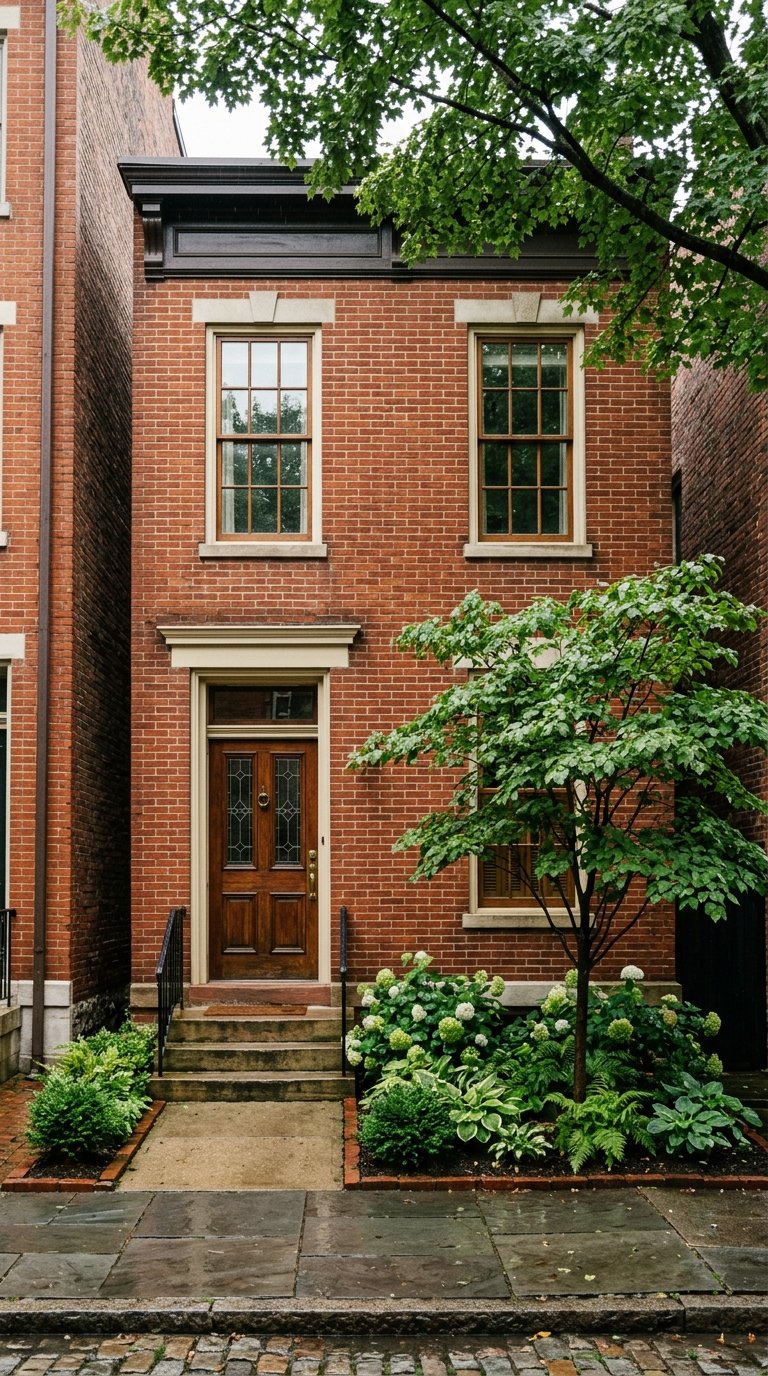
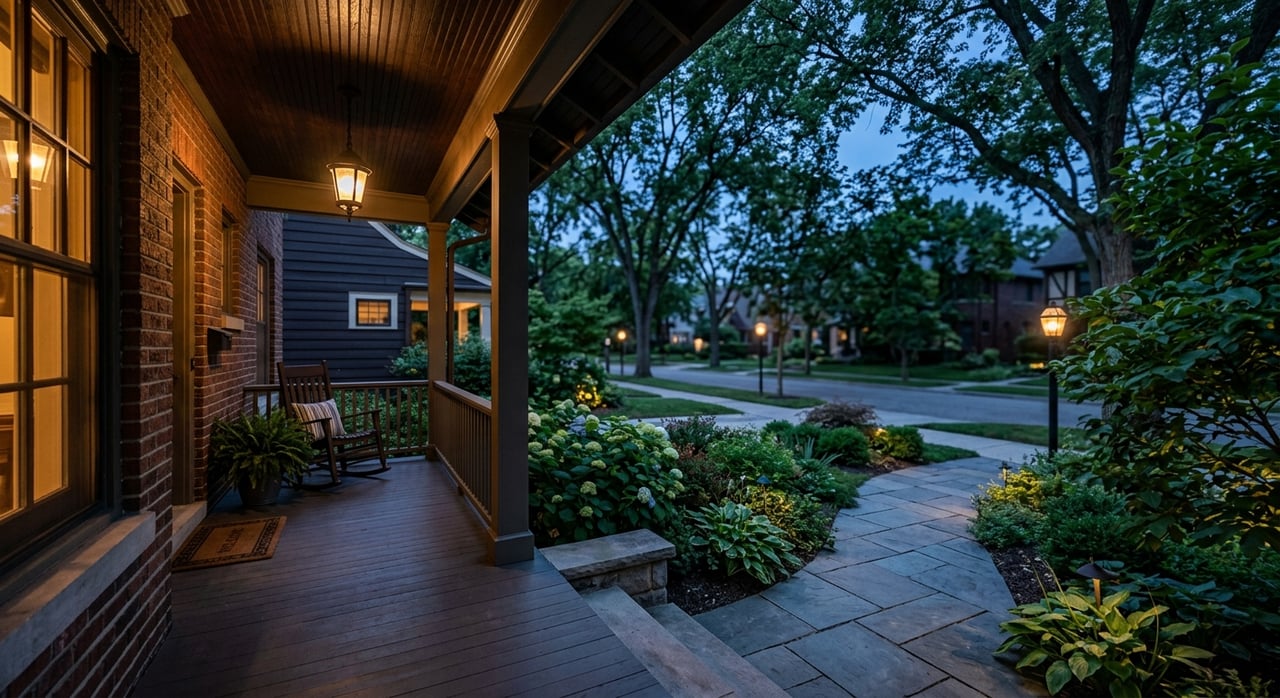
Upper Arlington’s green network is a real part of its housing appeal. The Parks and Forestry Division oversees 23 parkettes across about 186 acres and maintains about 18,000 street trees, plus thousands more in parks and public facilities. The city also notes that street trees help shade pavement, slow traffic, and increase property values.
That kind of streetscape matters because buyers respond to the full setting around a home. Mature trees, sidewalks, and nearby green space can make a street feel more established and inviting. In a market like Upper Arlington, that can support stronger demand.
Park adjacency is not one-size-fits-all
Research generally finds that proximity to parks and open space can lift sale prices, but the effect is location-specific. In Upper Arlington, parks include wooded or ravine settings such as Miller, Smith, Charing, Thompson, and Northwest Kiwanis. Thompson Park also includes a forested seasonal wetland.
For some buyers, nearby park access is a major plus. For others, the exact relationship matters more, such as whether the home backs to green space, sits near a trail connection, or simply benefits from a more scenic streetscape. Those details can influence both value and marketability.
Historic and visual character matter too
Upper Arlington’s GIS and street mapping tools include zoning, aerial photos, utilities, contour elevations, historic district designations, city trees, and community locations such as parks, schools, commercial areas, and government sites. That kind of data helps show why one street may feel very different from another.
Old Arlington, south of Lane Avenue, was designated the Upper Arlington Historic District in 1985. In areas with stronger historic identity or more established streetscape patterns, buyers often respond to consistency and character at the block level. That does not automatically mean every home is worth more, but it does mean visual context can play a larger role in pricing.
Topography and lot orientation count
Street-level value is not only about traffic or school boundaries. Contour elevations, lot orientation, and how a home sits on the street can also affect appeal. A home with better natural light, a more comfortable setback relationship, or stronger visual privacy may stand out from a nearby comp.
These are details buyers feel right away, even if they do not describe them in technical terms. In practice, they often show up in showing feedback, days on market, and final price.
How to compare comps the right way
In Upper Arlington, a strong comp set should start narrow. The best place to begin is the same street segment, paired with the same attendance area when possible. From there, you can adjust for factors such as traffic exposure, park adjacency, lot orientation, tree canopy, sidewalk and curb condition, topography, and recent rebuilds or additions.
That approach is more useful than pulling a wide radius of homes that happen to share a similar bedroom count. In a block-sensitive market, broad averages can blur the real pricing story.
For sellers: price the street, not just the house
If you are selling, your list price should reflect how buyers compare your home to others on the same or similar street segments. A quiet interior block, mature tree cover, or stronger visual consistency may support a premium. A busier corridor location or changing commercial edge may require a different pricing strategy.
This is where data matters most. The goal is not to chase the highest nearby sale. The goal is to position your home accurately so buyers see the value and respond quickly.
For buyers: look beyond the floor plan
If you are buying in Upper Arlington, it helps to compare homes with street context in mind. A similar layout on a calmer block may be worth more because of the day-to-day experience and potential resale strength. On the other hand, a home on a busier street may offer a better entry point into the market.
The key is to make that tradeoff intentionally. When you understand how the street affects value, you can decide where to stretch and where to save.
The bottom line on Upper Arlington streets
In Upper Arlington, home value is rarely just about the house. Street segment, traffic exposure, attendance-area clarity, tree canopy, parks, block consistency, and historic context can all shape what buyers are willing to pay. In a mature market with limited new construction and strong competition, those details matter.
If you are planning to buy or sell in Upper Arlington, the smartest move is to look at the street as carefully as the property itself. For a data-driven pricing strategy or a block-by-block valuation review, connect with Seth Janitzki.
FAQs
How do streets affect home value in Upper Arlington?
- Streets can influence value through traffic volume, block consistency, tree canopy, park access, attendance-area clarity, and overall street feel.
Why do similar Upper Arlington homes sell for different prices?
- Two similar homes can sell differently if one is on a quiet interior block and the other is near a busier corridor, a changing edge, or a different attendance area.
Do school boundaries matter for Upper Arlington home prices?
- Yes. The city boundary does not perfectly match the school district, and attendance boundaries are approximate, so address-level verification can matter to buyers and pricing.
Which streets in Upper Arlington have heavier traffic?
- West Henderson Road is one of the city’s busiest corridors, and the highest traffic count in the report is near US 33 and Riverside Drive.
Do parks and trees help Upper Arlington property values?
- They can. The city says street trees help increase property values, and proximity to parks and open space can support sale prices depending on the specific location.
What is the best way to compare Upper Arlington comps?
- Start with the same street segment and, when possible, the same attendance area, then adjust for traffic, parks, lot orientation, tree canopy, topography, and recent updates or rebuilds.