Relocating to Dublin can feel simple at first glance, but once you start comparing areas, you quickly realize each part of the city offers a very different day-to-day experience. You may be weighing walkability, commute time, housing style, yard space, or community rules, and those tradeoffs matter more than any generic "best neighborhood" list. If you want to narrow your search with more confidence, this guide will help you understand how Dublin is organized and what to compare before you choose. Let’s dive in.
Start With Dublin Boundaries
Before you fall in love with a home, make sure you understand exactly where it sits. In Dublin, city boundaries, school district boundaries, and mailing addresses do not always line up the way buyers expect.
Dublin City Schools notes that its district boundaries are not the same as city boundaries, and a ZIP code or mailing address does not determine school assignment. The district extends across multiple counties and municipalities, which means a home tied to Dublin schools is not always located within the City of Dublin itself.
The City of Dublin’s GIS portal is a useful starting point when you want to compare parcels, subdivisions, zoning, parks, and addresses. It can help you verify where a home is located and how it fits into the broader map before you make assumptions based on listing language alone.
Why Boundaries Matter
Boundaries affect more than your mailing address. They can shape your commute, nearby amenities, municipal services, and the rules that apply to the property.
They also help you ask better questions during tours. A smart relocation search starts with confirming whether a home is in the City of Dublin, in Dublin City Schools, or both.
Compare Dublin by Neighborhood Type
Dublin is often easiest to understand by neighborhood type rather than by ranking one area against another. The biggest differences usually come down to historic character versus newer construction, walkable mixed-use living versus a more traditional suburban layout, and city review rules versus HOA governance.
That framework can help you sort your options faster. Once you know what style of living fits you best, the shortlist often becomes much clearer.
Historic Dublin
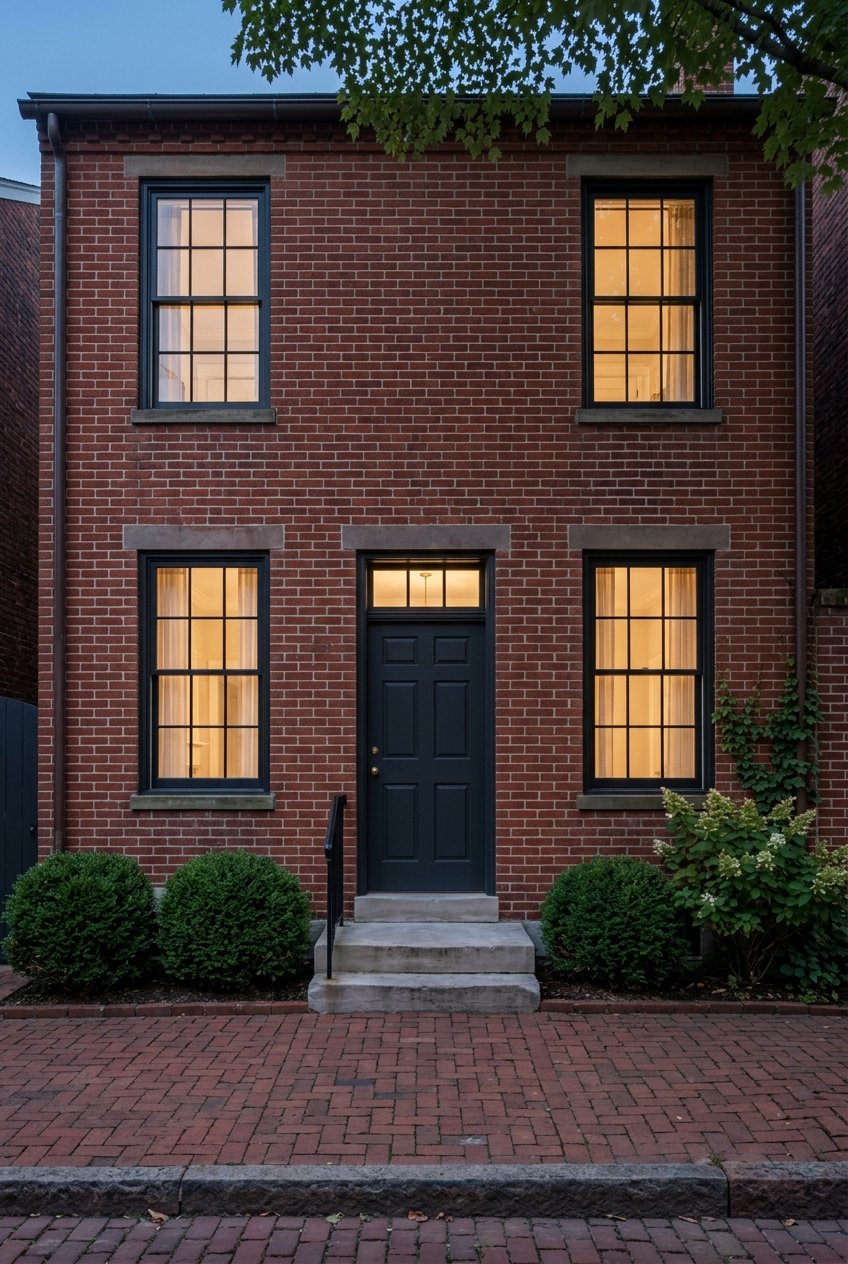
Historic Dublin appeals to buyers who want character, charm, and a more walkable setting. The city identifies it as the site of the original Dublin settlement, with early 19th-century architecture, dry-laid limestone fences, and many original buildings listed in the National Register of Historic Places.
This area also comes with added review standards. Exterior changes in the Architectural Review District require review and approval, which is an important consideration if you want flexibility for future updates.
Visit Dublin describes Historic Dublin as a riverfront district with locally owned boutiques, coffee shops, restaurants, and strong walking-tour appeal. For many buyers, the tradeoff is clear: you gain charm and convenience, but you may have less design freedom than in other parts of the market.
Bridge Park and Bridge Street District
If your priority is low-maintenance living with dining, entertainment, and a walkable layout nearby, Bridge Park and the broader Bridge Street District often stand out. Bridge Park is a 30-acre mixed-use community along the Scioto River with condos, townhomes, apartments, restaurants, shops, offices, hotels, and green space.
The district is connected to Historic Dublin by the Dublin Link, which supports a live-walk-dine lifestyle that many relocation buyers want. This part of Dublin is often a strong fit if you prefer proximity to activity over a larger yard or a quieter residential street.
It is also helpful to think about parking and access here early in your search. Bridge Park includes structured and garage-based parking in many residential options, so guest parking, assigned parking, and building layout should be part of your tour checklist.
Muirfield Village
Muirfield Village offers a more established suburban feel. The association says the community began in 1974 and now includes nearly 2,400 families and more than 8,000 residents, with condominiums, patio homes, and single-family homes spread across tree-lined streets and cul-de-sacs.
This neighborhood suits buyers who want a mature setting and a more traditional residential pattern. It is largely completed, which can make the area feel more settled compared with neighborhoods still adding new phases.
Muirfield Village is also association-governed. Annual assessments, design review, and some private streets are part of the structure, so you will want to review dues, rules, and property-specific requirements as you compare homes.
Jerome Village
Jerome Village is a large master-planned community with more than 20 distinct neighborhoods and 16 builders. Its materials state that about 40% of the acreage is reserved for parks, meadowland, woodlands, and greenspace.
For buyers relocating to the Dublin area, Jerome Village often appeals to those who want newer housing options, planned amenities, and access to open space. The community is located in Jerome Township in Union County, and its materials note that it is primarily in the Dublin City School District.
Like other planned communities, Jerome Village includes HOA and master-association structures along with a Design Review Board. The HOA covers common-area maintenance, and exterior changes require approval before work begins, so it is worth comparing the governance side just as carefully as the home itself.
Match the Area to Your Lifestyle
The right Dublin neighborhood is usually the one that supports your routine, not the one with the most buzz. A great fit for one buyer can be the wrong fit for another depending on how you spend your weekdays and weekends.
If you want to walk to coffee, restaurants, or events, Historic Dublin and Bridge Park are often the strongest matches. If you prefer a quieter residential setting, more conventional street patterns, or larger neighborhood footprints, Muirfield Village and Jerome Village may feel more natural.
Think About Home Style
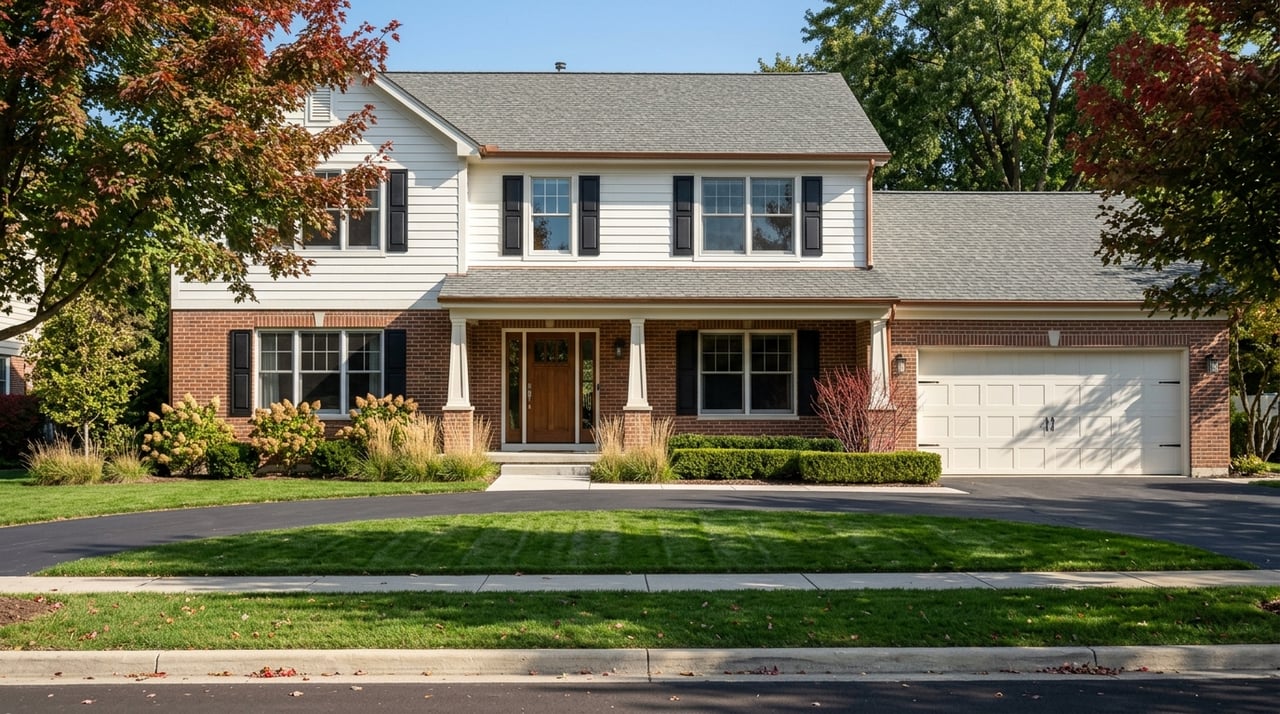
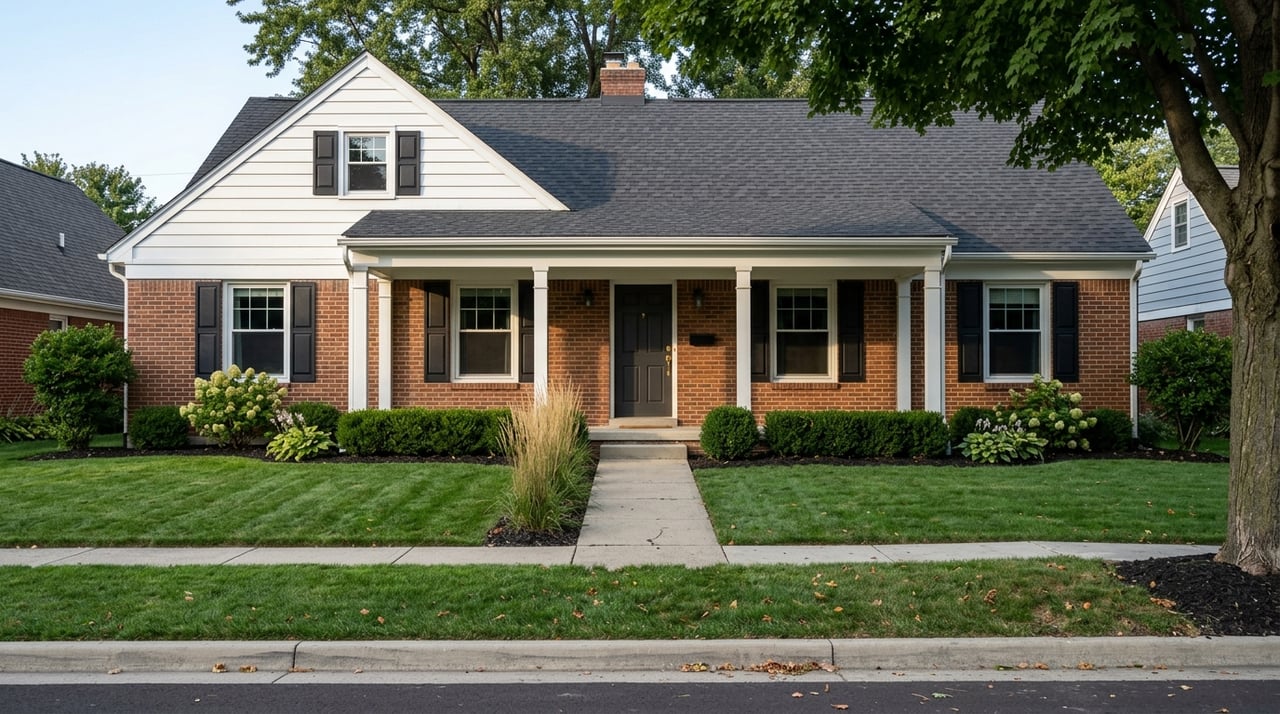
Housing style can quickly narrow your options. Some buyers want a condo or townhome with less exterior upkeep, while others want a patio home or single-family home with more private outdoor space.
Bridge Park leans toward lower-maintenance housing choices. Muirfield Village and Jerome Village offer a wider mix of attached and detached options, while Historic Dublin may attract buyers looking for older homes with distinctive architecture and a less standardized streetscape.
Think About Rules and Flexibility
Two homes with similar price points can come with very different ownership experiences. In one area, your main concern may be city preservation review. In another, the key issue may be HOA dues, design standards, or whether streets are public or private.
That is why governance matters as much as curb appeal. If you are planning updates later, be sure you know what approvals may be required before you decide a neighborhood is the right fit.
Evaluate Commute and Access
In Dublin, convenience is often shaped by road access. The Bridge Street District is served by the Dublin and US 33 interchange with I-270 about 1.5 miles away, and additional access comes from OH-161 and Riverside Drive.
That means one part of Dublin can feel much more convenient than another depending on where you work and how often you leave town. For many relocation buyers, the practical question is not just miles on a map. It is how easily you can reach I-270, US 33, daily errands, and your most frequent destinations.
Driving, Transit, and Bike Options
Dublin is primarily a road-access market, but transit and biking may still matter depending on your routine. COTA Route 33 serves the Bridge Street District and several park-and-ride points, while Route 73 provides rush-hour reverse-commute service linking Dublin stops with Downtown Columbus and the Bridge Street District.
The city also reports more than 154 miles of bikepath. Its bikeway network connects schools, parks, destinations, and Columbus commute routes, which can be a meaningful advantage if you value trail access or prefer alternatives to driving for shorter trips.
Pay Attention to Traffic Patterns
Commute time is only part of the story. Event weekends, rush hour, school drop-off windows, and popular dining areas can all change how a location feels in real life.
When you tour, ask how the area functions at different times of day. A home that feels peaceful at midday may feel very different during the evening commute or on a busy weekend near downtown activity.
Ask Better Questions on Tours
A good tour is not just about finishes and floor plans. It is your chance to uncover the details that shape ownership costs, convenience, and long-term fit.
If you are relocating, these questions can help you compare homes in Dublin more clearly:
- Is the property in the City of Dublin, in Dublin City Schools, or both?
- If the home is in Historic Dublin, what exterior changes require Architectural Review Board approval?
- If the home is in a planned community, what do HOA dues or assessments cover?
- Are any streets private?
- What parking is assigned, and how easy is guest parking?
- How noisy is the area during rush hour, school drop-off, or event weekends?
- How close is the nearest park-and-ride, transit stop, or bike corridor?
- What nearby development or construction is planned?
These questions are especially useful in areas like Bridge Park and Jerome Village, where development continues and day-to-day logistics can vary from one block or section to the next.
Use Current Listings to Confirm the Fit
Neighborhood research gives you a strong starting point, but current listings still matter. Pricing, HOA dues, available inventory, and home condition can shift your decision once you move from broad research to actual options.
That is why relocation planning works best when you combine neighborhood context with live market insight. A walkable condo, an established suburban home, and a newer build may all look appealing online, but the right choice usually becomes clearer once you compare the details side by side.
Final Thoughts on Choosing a Dublin Neighborhood
Choosing the right neighborhood in Dublin is really about choosing the version of daily life that fits you best. Some buyers want historic character and walkability. Others want newer construction, a quieter setting, or a master-planned community with structured amenities and greenspace.
The key is to compare boundaries, housing style, commute patterns, and property rules before you decide. If you want a clear, neighborhood-level strategy for your move, Seth Janitzki can help you evaluate Dublin options with local insight, responsive guidance, and remote-friendly support.
FAQs
What should you compare first when relocating to Dublin?
- Start by confirming city boundaries, school district boundaries, and the property’s governing rules, since those do not always line up the way buyers expect.
What is the difference between Historic Dublin and Bridge Park?
- Historic Dublin is known for older architecture, local businesses, and preservation review, while Bridge Park is a newer mixed-use district focused on walkability, dining, and lower-maintenance housing.
What kind of neighborhood is Muirfield Village in Dublin?
- Muirfield Village is an established association-governed community with condos, patio homes, and single-family homes in a more traditional suburban setting.
What should buyers know about Jerome Village near Dublin?
- Jerome Village is a large master-planned community in Jerome Township with multiple neighborhoods, HOA structures, design review, greenspace, and housing options that are primarily tied to Dublin City Schools.
How important is commute access when choosing a Dublin neighborhood?
- Commute access is very important because Dublin is largely road-dependent, so proximity to I-270, US 33, transit stops, and bike routes can shape your daily convenience.
What questions should you ask during a Dublin home tour?
- Ask about city and school boundaries, HOA dues or assessments, parking, private streets, approval rules for exterior changes, nearby transit access, noise patterns, and future development nearby.