Looking for a second home or investment property in Columbus that offers more than a generic address? German Village stands out for its historic brick homes, walkable streets, and near-downtown location, but it also asks buyers to think carefully about upkeep, parking, and local rules. If you are considering part-time ownership, long-term rental income, or a future resale play, this guide will help you understand where the opportunities are and where the details matter most. Let’s dive in.
Why German Village draws buyers
German Village sits just south of downtown Columbus and developed primarily between 1840 and 1914. Today, roughly 3,000 residents live among about 1,800 structures, giving the neighborhood a compact, established feel that is hard to replicate elsewhere in Central Ohio.
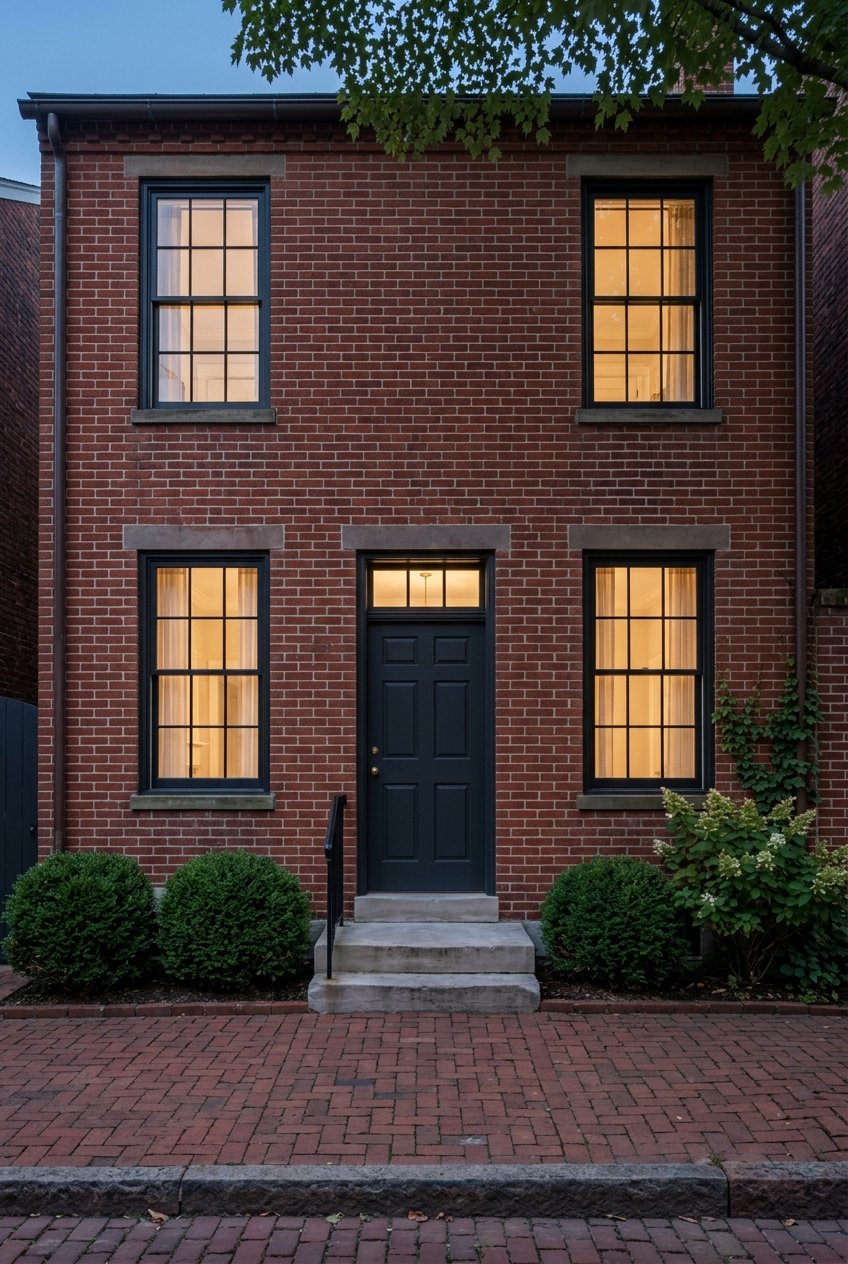
For many buyers, the appeal starts with character. The neighborhood is known for brick Italianate and Queen Anne-era homes, narrow streets, and a preserved historic setting. That kind of built environment can make a second home feel special and can also help an investment property stand out in a competitive rental market.
Another major advantage is walkability. Redfin rates German Village with a Walk Score of 90, and neighborhood sources describe it as very pedestrian in scale. You can see that in the way homes, restaurants, parks, and daily destinations fit closely together.
What the housing stock means for buyers
German Village is not just a neighborhood of detached single-family homes. Local neighborhood information notes that many structures were originally built for multi-family use, which helps explain the mix of homes, condos, and multi-family options you may see when inventory comes to market.
That variety matters if you are shopping with a specific ownership goal. A second-home buyer may prefer a smaller footprint that is easier to lock and leave, while an investor may focus on a condo, a multi-family property, or a home with strong rental appeal.
At the same time, older housing comes with tradeoffs. A home in German Village may offer charm and scarcity, but it may also require more attention to systems, preservation-sensitive exterior updates, and ongoing maintenance than a newer property in the suburbs.
German Village market snapshot
Current data points to a premium neighborhood with limited supply. Realtor.com reported 30 homes for sale in March 2026, with a median list price of $752,450, a median price per square foot of $383, median days on market of 28, and a 100% sale-to-list ratio.
Other data sources show slightly different timing and numbers, which is normal when portals pull from different datasets. Redfin reported homes selling in about 54 days on average and about 1% below list, while its newest-listings view showed a median listing price of $685,000 and a recent mix that included condos and multi-family units.
Zillow’s Home Value Index adds another reference point, placing the average German Village home value at $545,891 as of April 30, 2026, up 0.8% year over year. These figures are not identical measurements, but together they support the same broader takeaway: German Village remains a high-value Columbus submarket.
How the rental numbers look
Rental pricing also reflects the neighborhood’s premium position. Realtor.com reported 14 rentals with a median rental price of $2,800 per month in March 2026.
Apartments.com, which tracks apartment rentals specifically, reported average rents of $1,377 for a one-bedroom and $1,761 for a two-bedroom in German Village. For context, those figures were above the Columbus averages of $1,173 and $1,377.
The numbers are not directly interchangeable because they measure different parts of the rental market. Still, they point in the same direction. German Village tends to command above-city-average rent, which is meaningful if you are evaluating long-term rental potential.
Why German Village can work as a second home
If you want a second home that feels connected to the city, German Village checks several important boxes. It offers near-downtown access, a strong restaurant scene, Schiller Park, community events, and a neighborhood setting that stays active and visible rather than isolated.
That can make part-time ownership easier to enjoy. Instead of arriving to a place that feels purely seasonal, you are stepping into a neighborhood with daily life, walkable routines, and year-round appeal.
German Village also has visibility beyond its resident base. City material has described it as an international tourist attraction, which helps explain why the neighborhood has durable recognition and continued buyer interest.
Why German Village can appeal to investors
For investors, German Village offers a combination that is hard to ignore: limited inventory, distinctive housing stock, and a location close to downtown employers, parks, dining, and medical centers. Renters who prioritize lifestyle and proximity may accept less square footage in exchange for neighborhood character and convenience.
That said, German Village is not a one-note investment market. Recent Redfin examples in late May 2026 ranged from a $405,000 small alley home to renovated properties around $949,900 and $1.283 million. That spread shows how much condition, lot size, parking, and renovation quality can affect value.
In practical terms, this is a market where property selection matters a lot. Two homes on paper may both be in German Village, but one may be much easier to rent, maintain, or resell because of layout, finish level, or parking utility.
What to watch before you buy
Historic review matters
If you plan to change the exterior of a property, you need to understand the review process. The German Village Commission is responsible for preserving the district’s historic integrity and issues Certificates of Appropriateness for exterior alterations.
That does not mean every improvement is impossible. It does mean your timeline, budget, and renovation plans should account for review when visible exterior changes are involved.
Parking can shape daily use
Parking is a practical issue in German Village. Neighborhood information notes that many people park on the street and that driveways are often absent.
For a second-home buyer, that may be a manageable tradeoff if walkability is the main lifestyle goal. For an investor, parking can affect tenant appeal, especially when comparing one property against another in the same price range.
Older homes need a realistic upkeep plan
Historic homes can be deeply rewarding to own, but they rarely behave like newer construction. Systems, masonry, windows, and exterior materials may require a different maintenance mindset.
If you are buying from out of town or only using the home part time, it is smart to think through how you will handle routine care, seasonal checks, and preservation-sensitive repairs before you close.
Short-term rental rules in Columbus
If your plan includes short-term rental income, local rules deserve close attention. Columbus defines a short-term rental as the rental of all or part of a home for fewer than 30 nights.
The city requires a permit before listing the property and advises applicants to confirm zoning before applying. Applicants must open a business account, submit required BCI background checks, pay the application and annual permit fees, list the permit number online and inside the property, and remit the 5.1% lodging excise tax.
The annual permit fee is $75 for a primary residence and $150 for a non-primary residence. For many second-home buyers and investors, that means short-term rental use is possible only if the property, zoning, and operating plan fit current city requirements.
Is German Village the right fit?
German Village can be a strong fit if you want a walkable, high-demand Columbus neighborhood with lasting historic character. It can work well for part-time owners who value experience and location, and for investors who understand that scarcity, presentation, and property-specific details drive performance here.
It may be a weaker fit if you want easy exterior remodeling, abundant off-street parking, or a simple short-term rental setup with minimal regulation. In German Village, the upside is real, but so is the need for careful due diligence.
The best approach is to evaluate each property on its own merits, not just the neighborhood name. In a market like this, details such as renovation quality, lot utility, rental positioning, and review constraints can make a meaningful difference in long-term results.
If you want help comparing properties in German Village, analyzing market data, or narrowing down the right fit for a second home or investment purchase, connect with Seth Janitzki for neighborhood-specific guidance.
FAQs
Is German Village a good area for a second home in Columbus?
- German Village can be a strong second-home option if you want walkability, historic character, and near-downtown access, and you are comfortable with older-home upkeep and limited parking.
Are German Village homes good for rental property investors?
- German Village can appeal to investors because of limited inventory, above-city-average rental pricing, and strong neighborhood demand, but returns depend heavily on the specific property’s condition, layout, parking, and compliance needs.
Can you use a German Village property as a short-term rental?
- Columbus allows short-term rentals under current city rules, but you must obtain a permit before listing, confirm zoning, meet permit requirements, and remit the 5.1% lodging excise tax.
Do German Village homes require historic approval for exterior work?
- Exterior changes may require review by the German Village Commission, which issues Certificates of Appropriateness for alterations that affect the historic district’s visible character.
Is parking difficult in German Village for owners and tenants?
- Parking can be a factor because many homes rely on street parking and some properties do not have driveways, so it is important to evaluate parking utility before you buy.
What is the current home price range in German Village?
- Recent market data shows German Village as a premium submarket, with examples ranging from about $405,000 for a smaller home to roughly $1.283 million for larger or more highly renovated properties, while broader neighborhood list-price metrics have been much higher than the Columbus average.