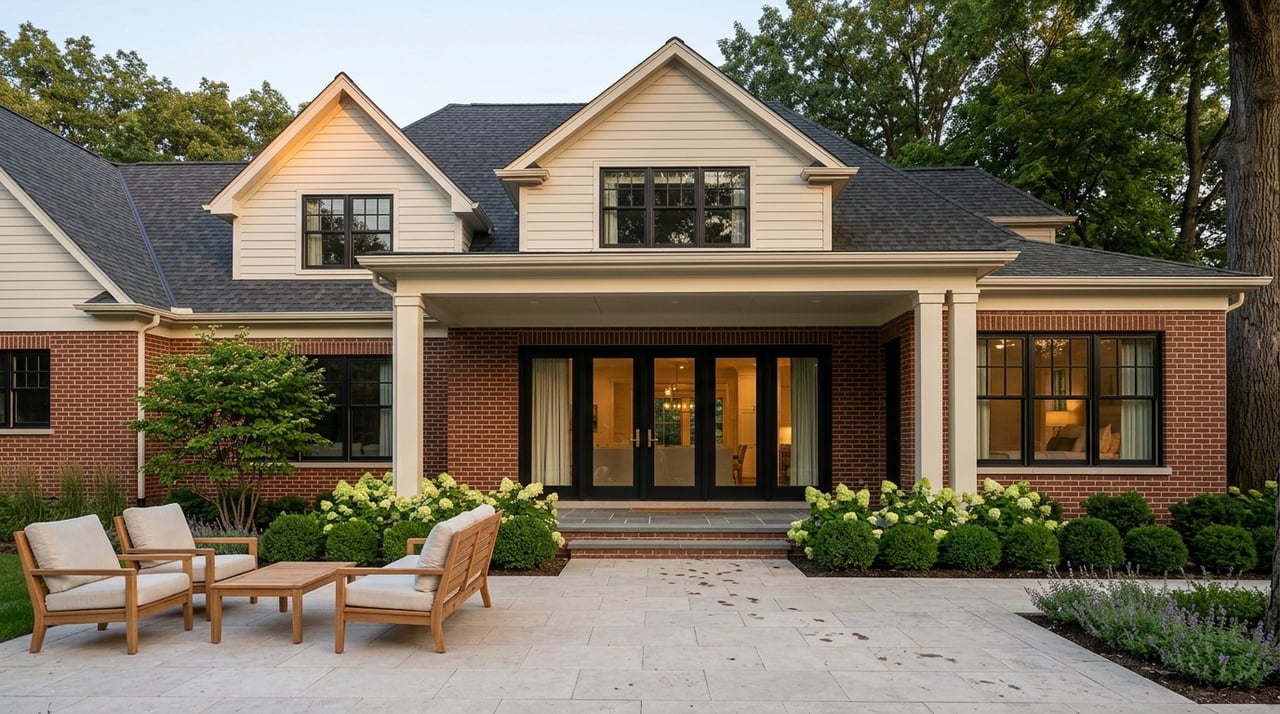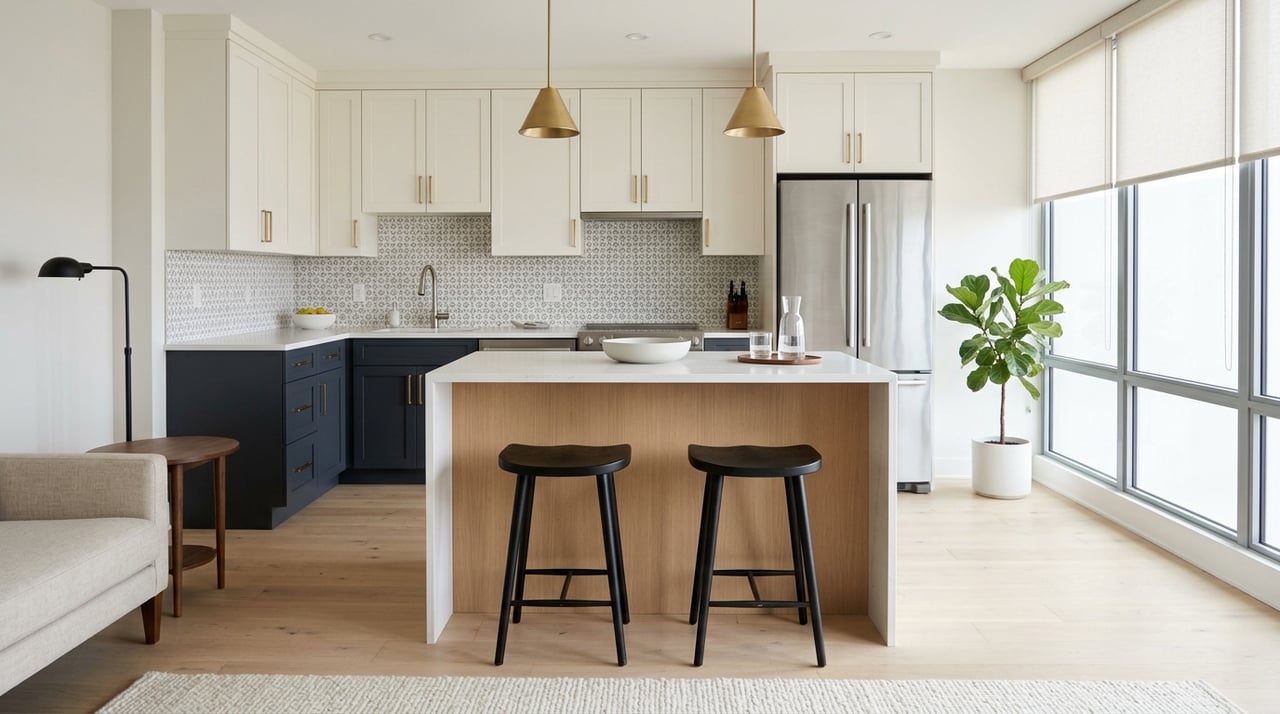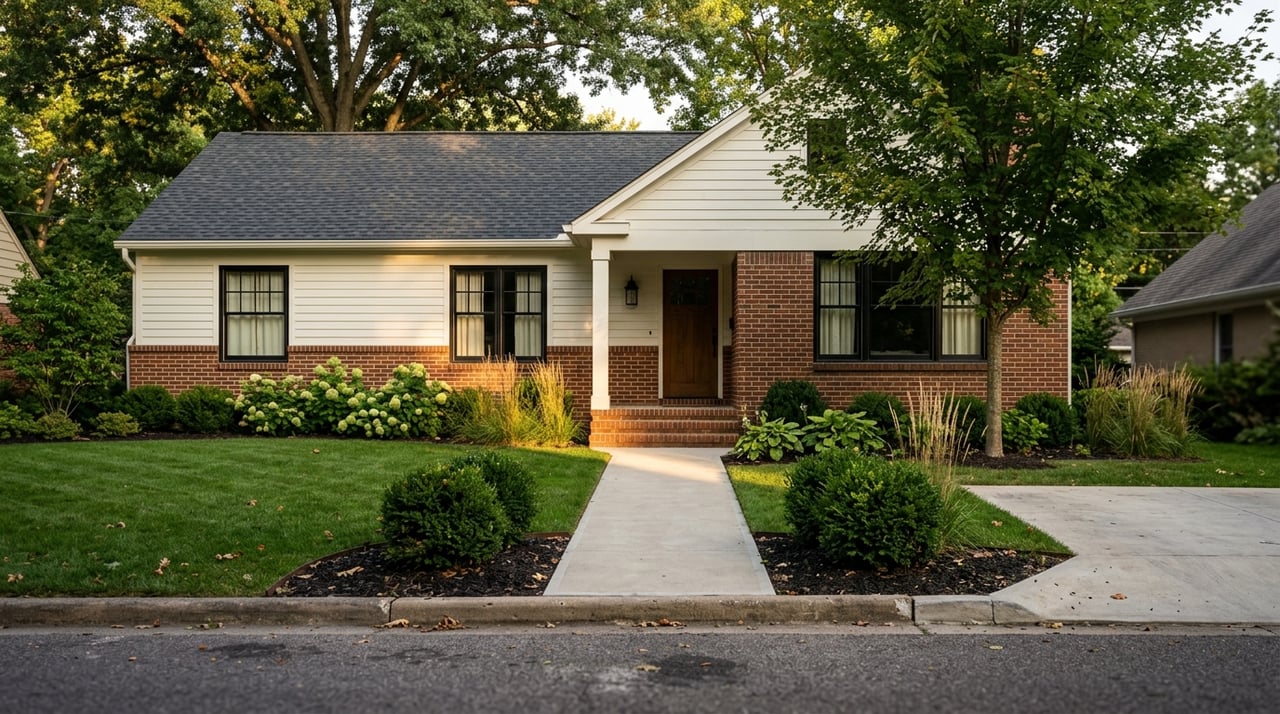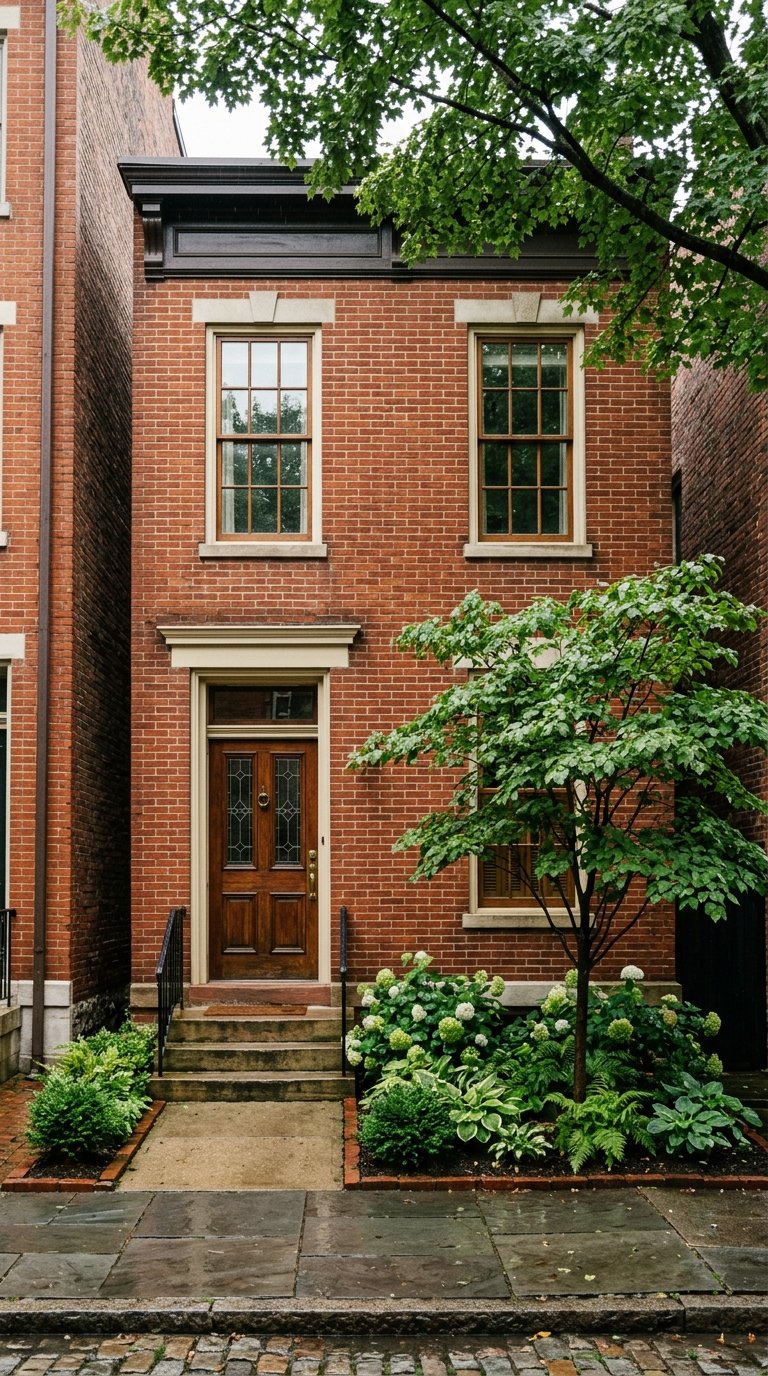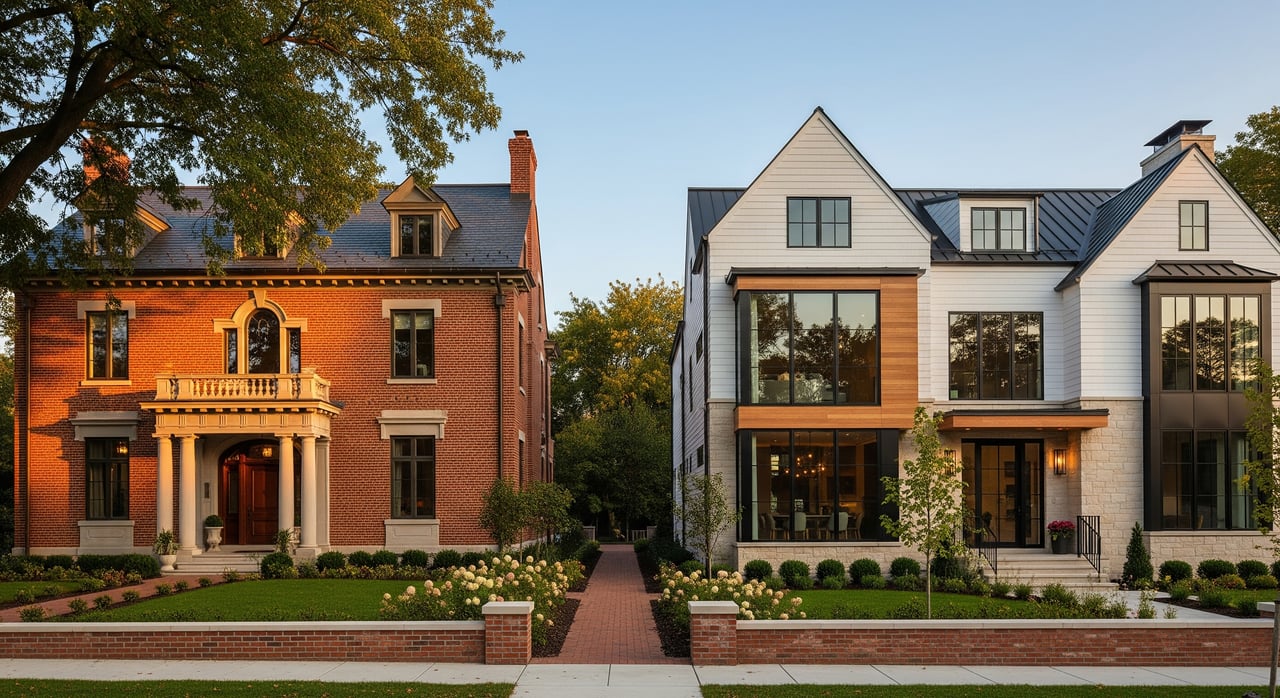
Love the charm of Old Worthington but want the comfort of modern systems? You are not alone. Many buyers in Worthington weigh the character of historic homes against the convenience and efficiency of new construction. This guide compares what it is like to own each, including maintenance, energy costs, inspections, budgeting, and local rules. Let’s dive in.
Worthington context and rules
Historic character and review
Old Worthington centers on the Village Green and includes early-19th- and early-20th-century homes with distinctive styles. Properties within designated historic areas follow local design guidelines. Exterior changes such as windows, roofs, porches, additions, and materials often require review and approval through the city’s Historic Preservation and Architectural Review processes. Outside historic districts, you still need to follow zoning, permitting, and setback rules.
Climate realities
Worthington has four true seasons with cold, snowy winters and hot, humid summers. Proper insulation, air sealing, and efficient heating matter for winter. Cooling, ventilation, and moisture control matter for summer comfort and mold prevention. Builders and owners should plan for freeze–thaw cycles, roof snow loads, and good drainage away from foundations to protect basements and slabs.
Livability and daily life
New build strengths
New homes often feature open floor plans, larger kitchens, and en-suite bathrooms that fit today’s lifestyle. Mechanical systems are modern and sized to current loads, and electrical service is usually robust. New construction is built to current codes, which supports safety, insulation, and ventilation standards. You may also receive a builder warranty and manufacturer warranties for major systems.
Historic home appeal
Historic homes in Worthington offer original woodwork, trim, built-ins, and classic proportions that create a timeless streetscape. Layouts may be more compartmentalized, which some buyers prefer for coziness and others find limiting. Systems can be a mix of original and upgraded components, so conditions vary from house to house. Many owners enjoy hands-on care and the satisfaction of preserving craftsmanship.
Maintenance and repair expectations
- New build: You can expect lower major maintenance for the first 5 to 10 years. Routine upkeep still applies, but roofs, exteriors, and systems are typically early in their life cycle. Builder warranties can help cover early defects, so review coverage and transferability.
- Historic home: Plan for periodic painting, exterior wood repair, masonry repointing, plaster fixes, and porch maintenance. Older systems may be near end-of-life even if they appear serviceable. You may need contractors with preservation skills for windows, plaster, and millwork.
Energy and monthly costs
- New build: Newer homes typically start with better insulation, tighter air sealing, efficient HVAC, and quality windows and doors. Designs and ductwork are matched to loads, which reduces energy waste and can lead to notable savings relative to older, unaltered homes.
- Historic home: Single-pane windows, low insulation, and older heating systems can raise energy use. That said, masonry walls, shade from mature trees, and historic orientation can help moderate temperatures. Thoughtful upgrades such as air sealing, attic insulation, storm windows, and heat pump conversions can improve comfort and costs, especially when done in ways that respect historic features.
Inspections that matter
Historic home checklist
- Structure and foundation: settling, brick spalling, mortar deterioration, sill plate rot, and floor or ceiling sag.
- Roof and gutters: roof age, flashing at chimneys and valleys, gutter sizing, and downspout drainage.
- Exterior woodwork and porches: trim rot, paint that may hide damage, and deteriorated posts or railings.
- Mechanical systems: boiler or furnace age, duct quality, electrical panel capacity, knob-and-tube or aluminum wiring, and plumbing materials such as galvanized steel or cast iron.
- Hazardous materials: lead-based paint in pre-1978 homes and possible asbestos in flooring, insulation, or mastics.
- Moisture and pests: basement humidity, seepage, efflorescence, termites, carpenter bees, and fungal decay.
- Historic features: condition of original windows, plaster, and finishes with a plan for repair versus replacement.
New build checklist
- Structural and finishes: framing quality, fasteners, and settlement on infill sites.
- Envelope and insulation: insulation levels, vapor barrier placement, and air sealing quality. Blower-door data is a plus if available.
- Mechanical systems: correct HVAC sizing, duct sealing, and balanced airflow.
- Site and drainage: grading to keep water away from the foundation.
- Documentation: permit history, certificate of occupancy, completed punch list, and warranty terms.
Specialists to consider
- General home inspector with older-home experience
- Structural engineer for foundation or framing concerns
- Electrician for historic rewiring or service upgrades
- Plumber for galvanized or lead supply replacement and sewer line evaluation
- Lead paint and asbestos testing professionals
- Historic preservation consultant for projects in designated districts
- HVAC contractor skilled in heat pumps and duct sealing
Budgeting and timelines
Lifespan basics
- Roof: asphalt shingles often last 15 to 30 years. Slate or metal can last longer but cost more to repair.
- HVAC: furnaces and air conditioners commonly last 15 to 25 years with good maintenance.
- Water heater: many units last 8 to 15 years.
- Electrical systems: panels can last decades, but obsolete wiring like knob-and-tube typically needs replacement.
- Windows: well-maintained historic windows can last for decades. Restoration and storm windows are often cost-effective compared to full replacement.
Annual maintenance reserves
- Newer homes: often lower needs in the first decade. A common rule of thumb is around 1 percent of home value per year, though actual needs vary.
- Older homes: plan for higher variability. Many advisors suggest 2 to 4 percent of home value per year to conservatively cover upkeep and unexpected repairs.
Common project costs
- Electrical rewiring: several thousand to tens of thousands of dollars depending on size and complexity.
- HVAC replacement or heat pump conversion: often in the mid to high four figures up to the mid five figures depending on scope and ductwork.
- Window work: sash repair and weatherstripping are often less expensive than full replacement. Historically appropriate replacements can run several thousand per unit.
- Roof replacement: ranges vary by material, with slate and metal commanding higher costs. Local estimates give the best accuracy.
Financing and incentives
- Renovation mortgages: FHA 203(k) and Fannie Mae HomeStyle let you finance purchase and upgrades together. These can be useful for system replacements in historic homes.
- Construction financing: builders may offer financing, and construction-to-permanent loan options exist for new builds.
- Energy incentives: federal tax credits and rebates for heat pumps, insulation, and other efficiency upgrades are available under recent legislation. Utility rebates may also apply locally through providers such as AEP Ohio or Columbia Gas of Ohio.
- Historic tax credits: the federal Historic Rehabilitation Tax Credit generally applies to income-producing properties and certified historic structures. It typically does not apply to owner-occupied residences. State or local incentives can vary by program and timing.
How to choose with confidence
- Prioritize what matters most. If you want modern layouts and lower early maintenance, a new build may fit. If architectural character and established streetscapes inspire you, a historic home may be worth the extra care.
- Compare operating costs. New builds usually start with energy advantages. Historic homes can close the gap with targeted upgrades like insulation, air sealing, and heat pumps.
- Plan inspections and negotiations. For historic homes, bring in specialists and budget for likely updates. For new builds, verify permits, warranties, and perform independent inspections.
- Understand review processes. If you are eyeing Old Worthington, factor in the timing and scope of historic design approvals for exterior changes.
Your next step
You do not need to choose alone. If you want a clear, side-by-side plan for the Worthington homes on your list, reach out for local guidance that balances lifestyle, budget, and long-term value. Connect with Seth Janitzki to compare options, map your upgrade strategy, or get your free home valuation.
FAQs
What makes Old Worthington homes different from other areas?
- Properties in designated historic areas follow local design guidelines, and many exterior changes require review and approval before work begins.
How do energy costs typically compare between new and historic homes?
- New builds usually have better insulation, air sealing, and HVAC, which can lower energy use. Historic homes can improve with upgrades like air sealing, insulation, and heat pumps.
What inspections are most important for a historic Worthington home?
- Focus on structure, masonry, moisture, older wiring or plumbing, roof and flashing, and potential lead or asbestos. Include specialists as needed.
How should I budget for maintenance on an older home?
- Plan a higher reserve than for a newer home, often 2 to 4 percent of the home’s value per year, to cover ongoing upkeep and surprises.
Can I finance renovations when I buy a historic home?
- Yes. FHA 203(k) and Fannie Mae HomeStyle loans can combine purchase and renovation costs, which helps fund system upgrades soon after closing.